

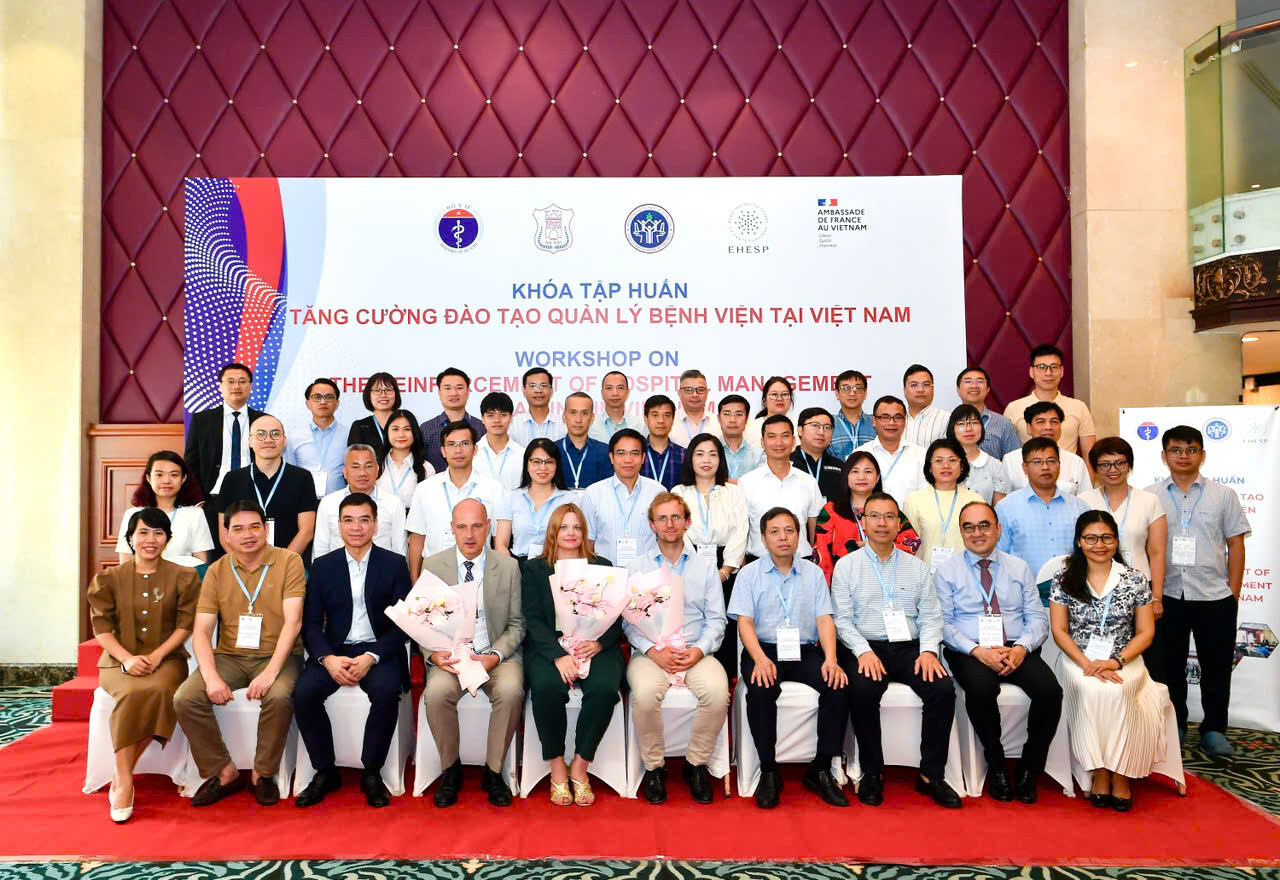

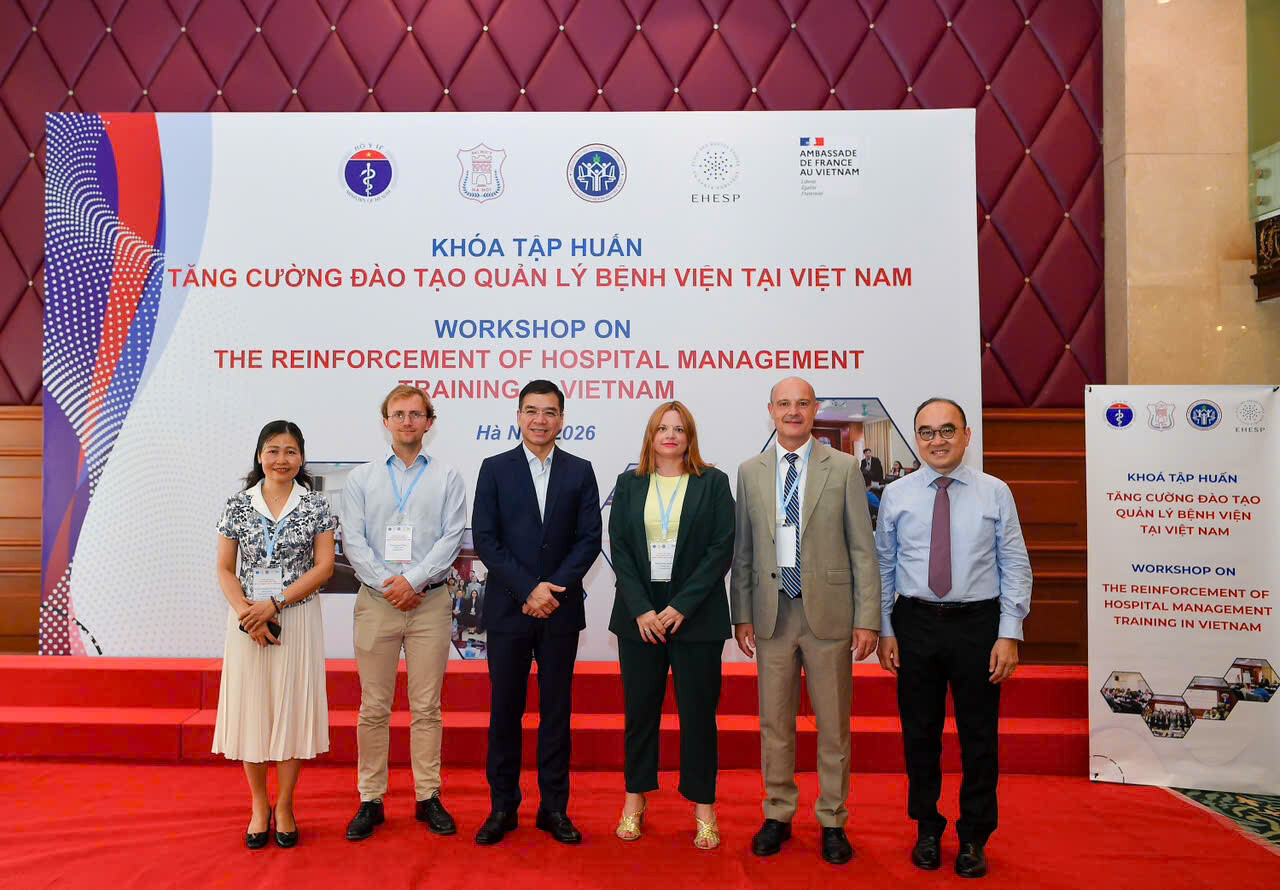
On July 14, senior leaders from 30 hospitals nationwide attended the workshop “Hospital Finance, Autonomy, and Performance Management” organised by the School of Preventive Medicine and Public Health, Hanoi Medical University, in collaboration with the Department of Medical Examination and Treatment Management – Ministry of Health, and the French School of Public Health (EHESP).
In his opening speech, Dr. Ha Anh Duc – Director of the Department of Medical Examination and Treatment Management, Ministry of Health – stated that the Vietnamese healthcare sector is entering a new phase of development, with increasingly high demands for quality, efficiency, sustainability, and adaptability.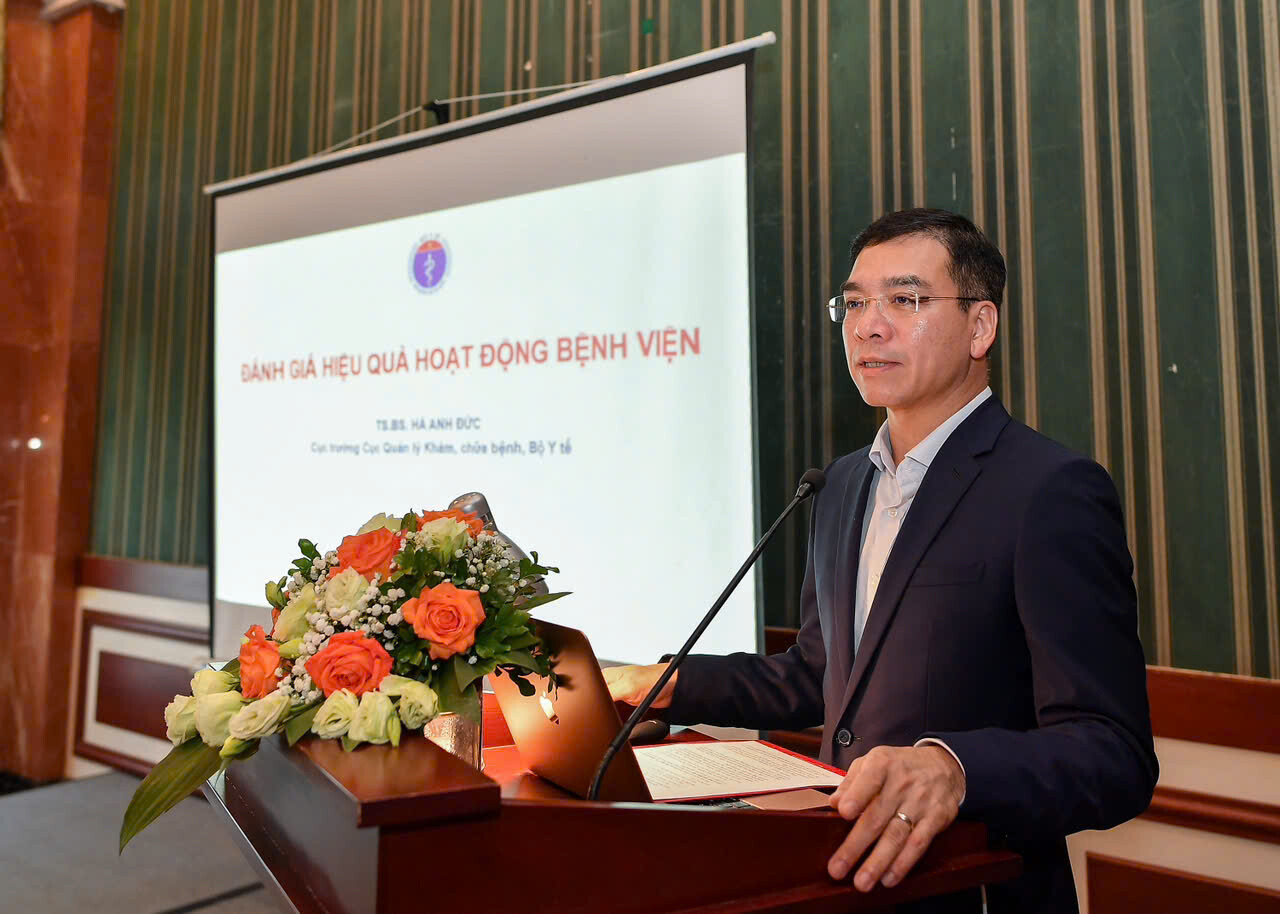
Current policies and guidelines necessitate innovation in hospital governance, enhanced efficiency in resource utilisation, accelerated digital transformation, increased accountability, and a patient-centred approach.
The Law on Medical Examination and Treatment, along with new policies, is creating a legal framework for hospitals to exercise their autonomy while increasing their responsibility in governance and healthcare service provision.
However, according to Dr. Ha Anh Duc, autonomy can only be truly effective when coupled with modern governance capabilities.
“A successful hospital is not only one with excellent professional expertise but also one that knows how to efficiently utilise every budget đồng, every human resource, every piece of equipment, and every square metre of infrastructure to create the best value for patients and society,” he emphasised.
In response to this demand, the Ministry of Health is shifting its mindset from input management to outcome management; from compliance assessment to performance evaluation; and from experience-based operation to data- and evidence-based governance.
The Department of Medical Examination and Treatment Management is currently developing and refining advanced quality standards and continuing to improve basic quality standards for hospitals.
The evaluation system aims to cover multiple aspects, including professional quality, patient safety, resource utilisation efficiency, financial efficiency, digital transformation, sustainable development, and patient satisfaction.
According to the leader of the Department of Medical Examination and Treatment Management, these indicators are not intended to create additional reporting burdens but will serve as tools to help hospital leaders manage better, assist regulatory bodies in developing data-driven policies, and foster continuous improvement.
Over three working days, participants engaged with experts from the French School of Public Health (EHESP) and the Public Hospital System of Paris (AP-HP) on topics such as health finance, activity-based payment models, budget management, public procurement, balanced scorecards, dashboards, and hospital performance evaluation tools.
These are practical topics in the context where Vietnamese hospitals must simultaneously enhance professional quality, ensure financial efficiency, and optimise resource utilisation.
Dr. Ha Anh Duc noted that the objective is not to apply a country's experience verbatim but to select, adapt, and apply it appropriately to the socio-economic conditions, legal framework, and operational realities of Vietnamese hospitals.
The workshop is expected to contribute to forming a network of hospital managers with a shared innovative mindset, fostering experience sharing, and disseminating advanced governance models within the medical examination and treatment system.
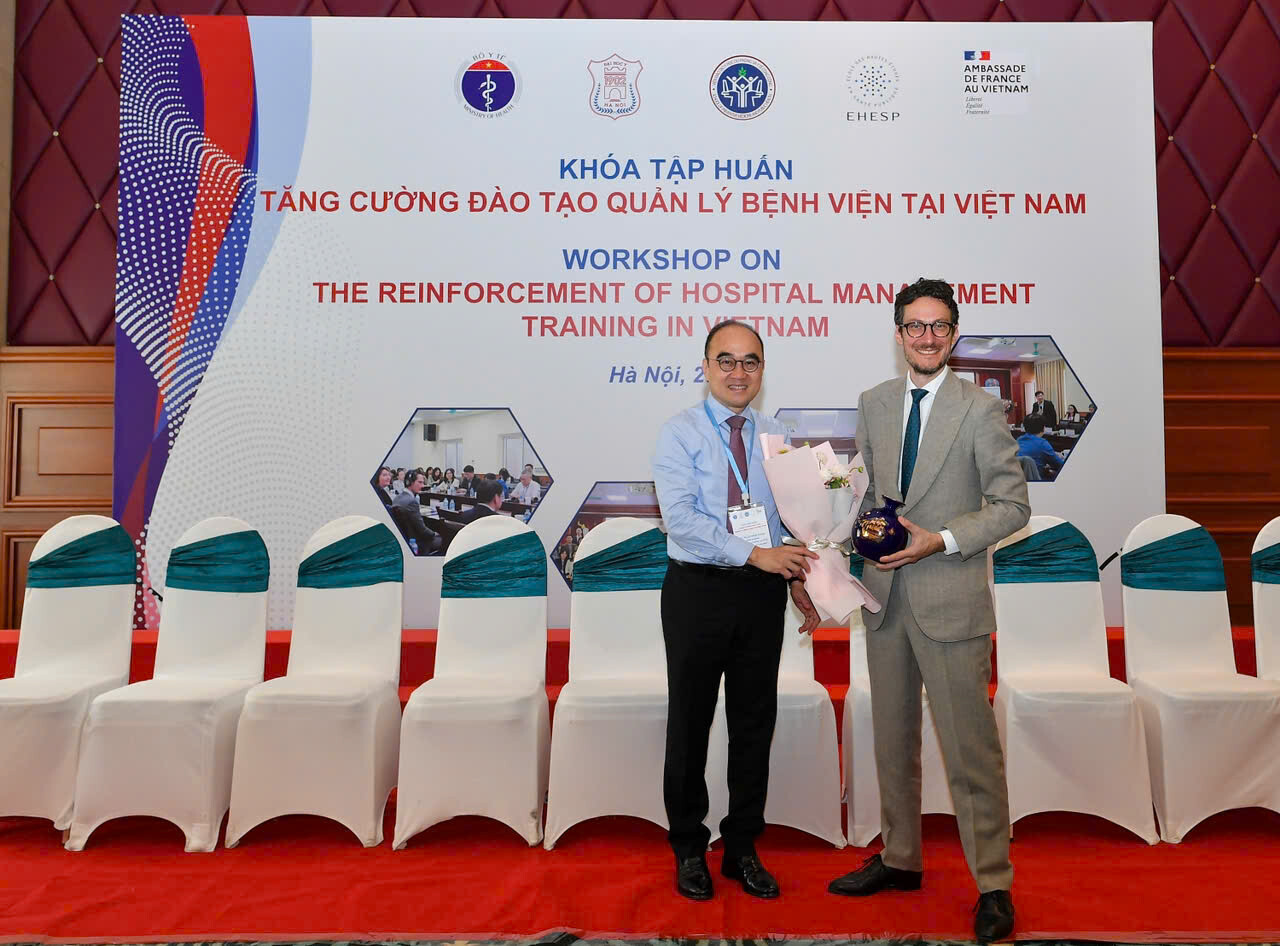
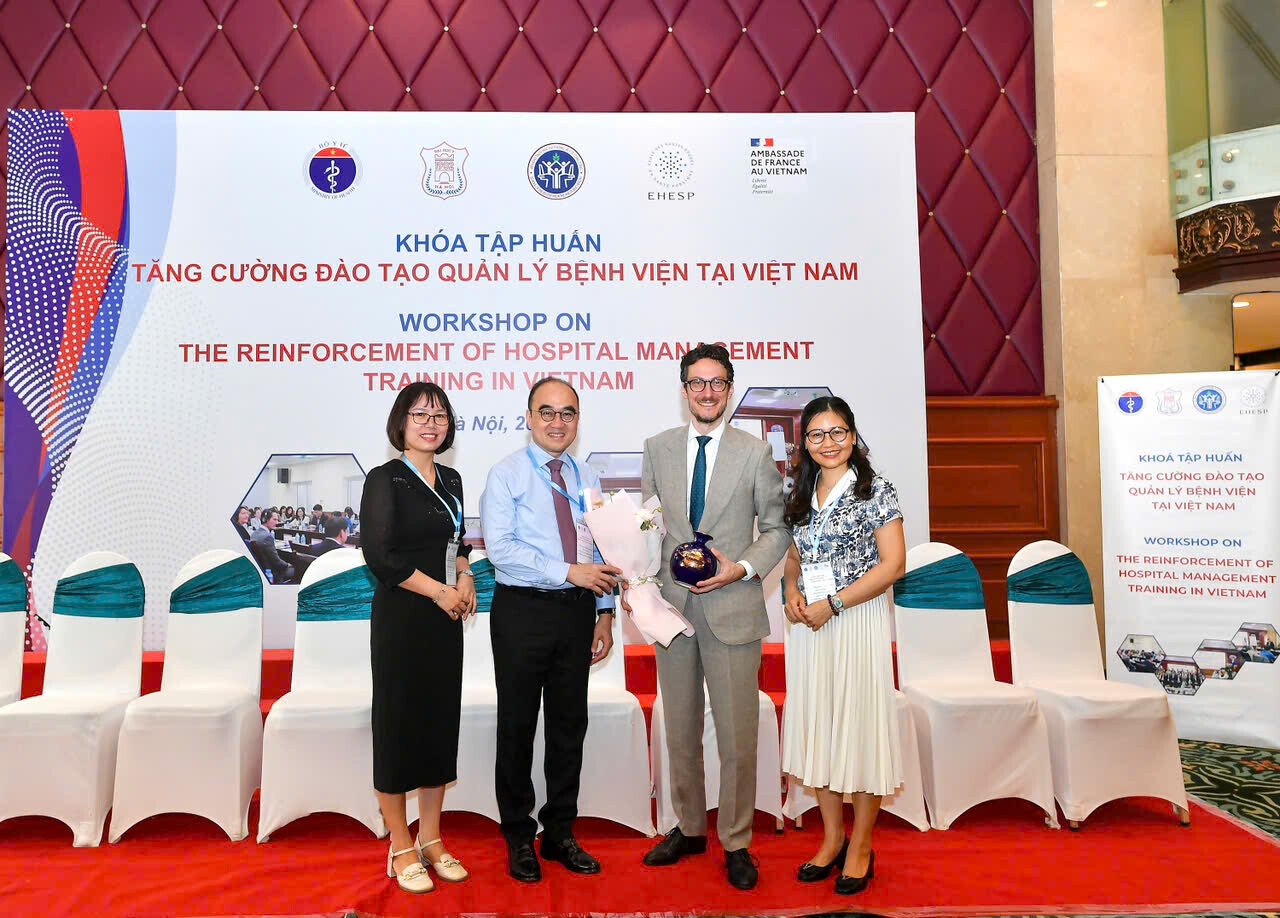


Source: according to Lao Động Newspaper
 School of Preventive Medicine and Public Health (SPMPH)
 Website:/

