Preventive Health Services
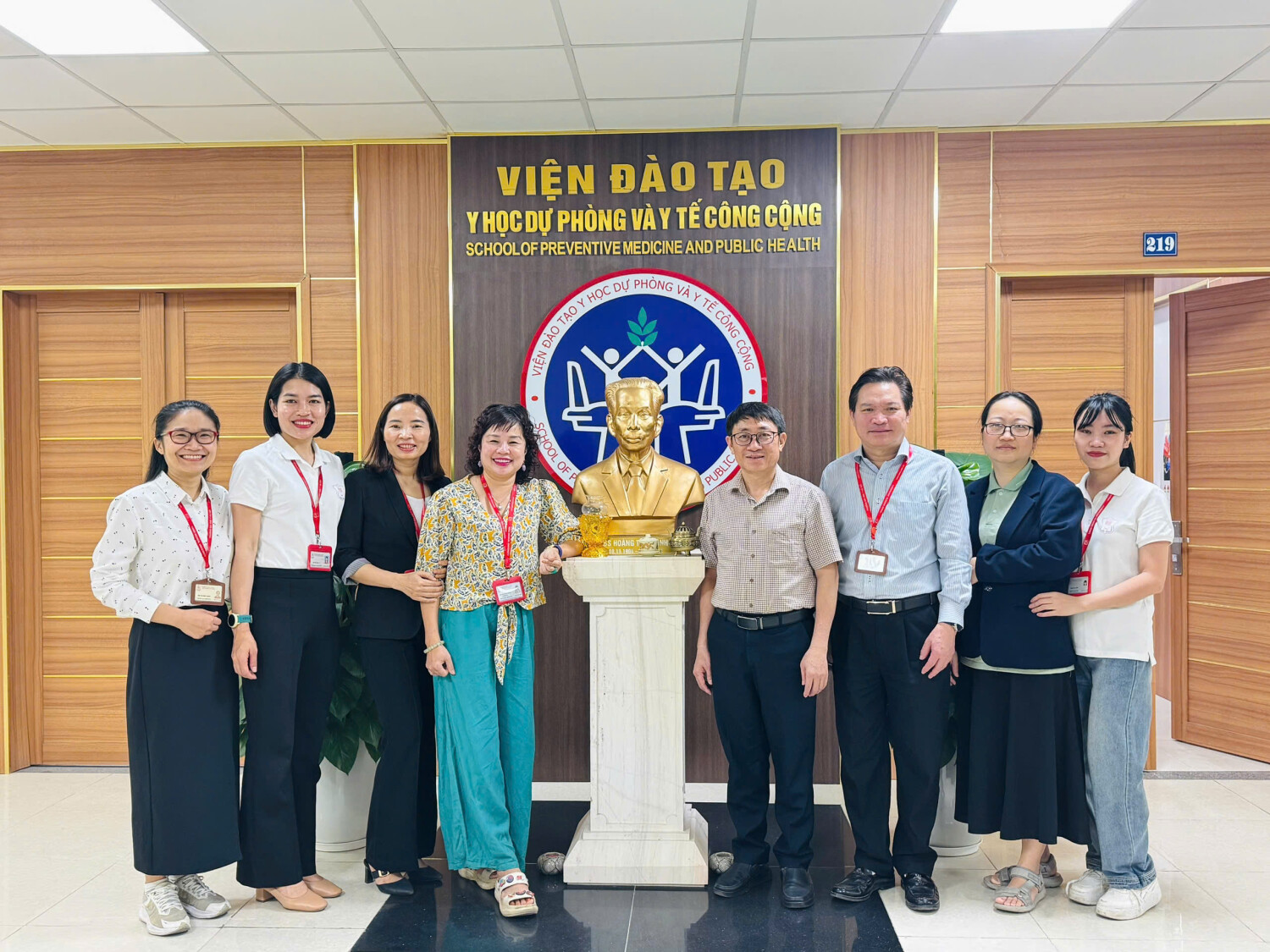
Welcoming and working with experts from the Office of Quality Accreditation - Ministry of Science and Technology to evaluate and monitor the ISO 17025:2017 system at the Central Labo.
On April 15, 2025, the Institute's leadership, along with the leaders and staff of the Central Labo, had a meeting to welcome and work with expert Mai Quoc Long of the Office of Accreditation (BoA) - Ministry of Science and Technology to re-evaluate the ISO 17025:2017 system at the Central Labo.
Read more →
FOOD ENERGY VALUE TESTING
The three-pronged module, comprising 1. Nutrition, 2. Physical activity and lifestyle, and 3. Medical and surgical treatment (e.g., medication, surgery), forms the fundamental principle in mitigating and treating diseases. Among these, nutrition plays the initial and most crucial gateway role. Determining the energy value of food consumed per meal and per day by patients is one of the tasks of therapeutic nutrition.
Read more →
Why Is There Still a Risk of Infection After Receiving the Full Vaccine Dose?
Although vaccination is an effective preventive measure, individuals should not be complacent, as the risk of infection remains. In reality, there are various reasons why a person may contract a disease despite being fully vaccinated.
Read more →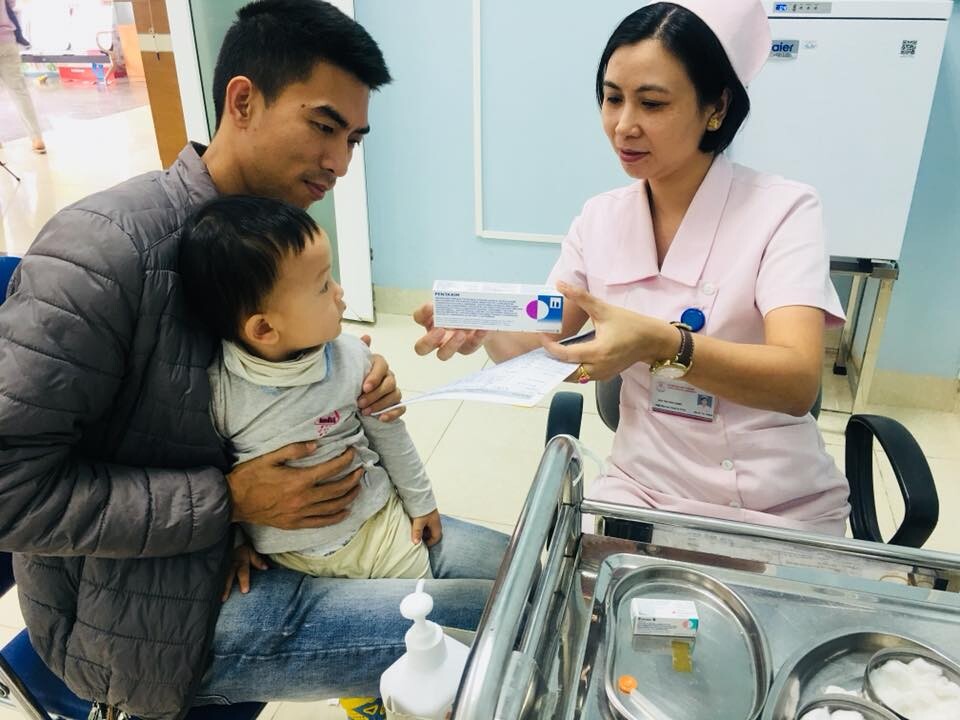
Care and Monitoring of Children Following Vaccination
Vaccination is the most effective method for preventing dangerous infectious diseases in children. However, due to their young age and sensitivity, many parents are concerned about post-vaccination reactions, as well as the monitoring and management of issues before and after immunization.
Read more →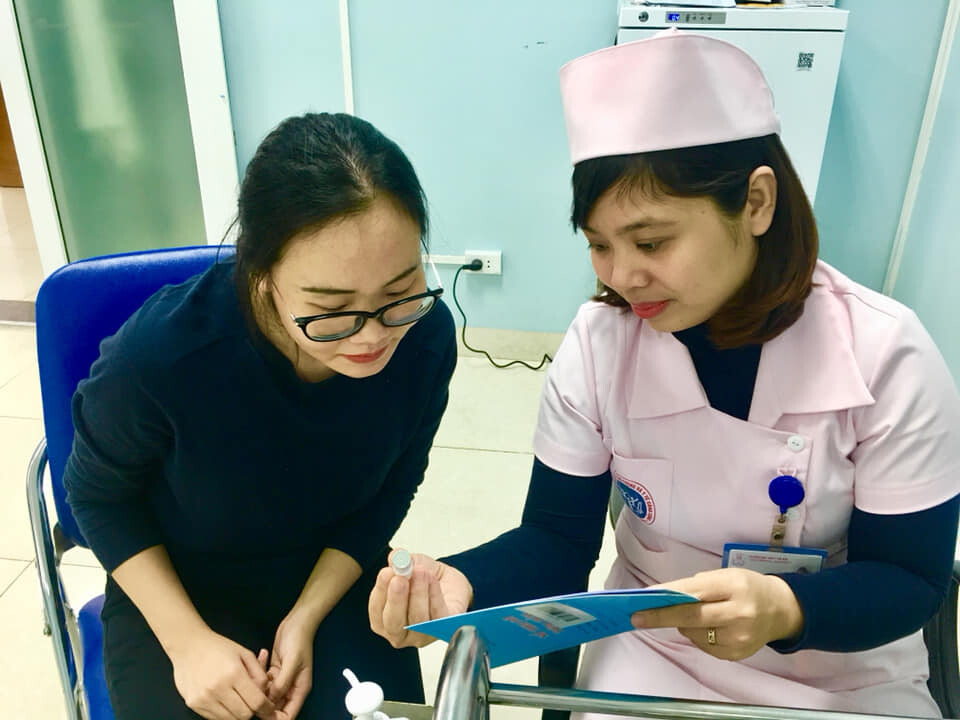
Which Vaccines Should Pregnant Women Receive to Ensure the Health of Both Mother and Baby?
The United States Centers for Disease Control and Prevention (CDC) recommends that pregnant women receive pertussis (whooping cough) and influenza vaccines during each pregnancy to protect both mother and baby.
Read more →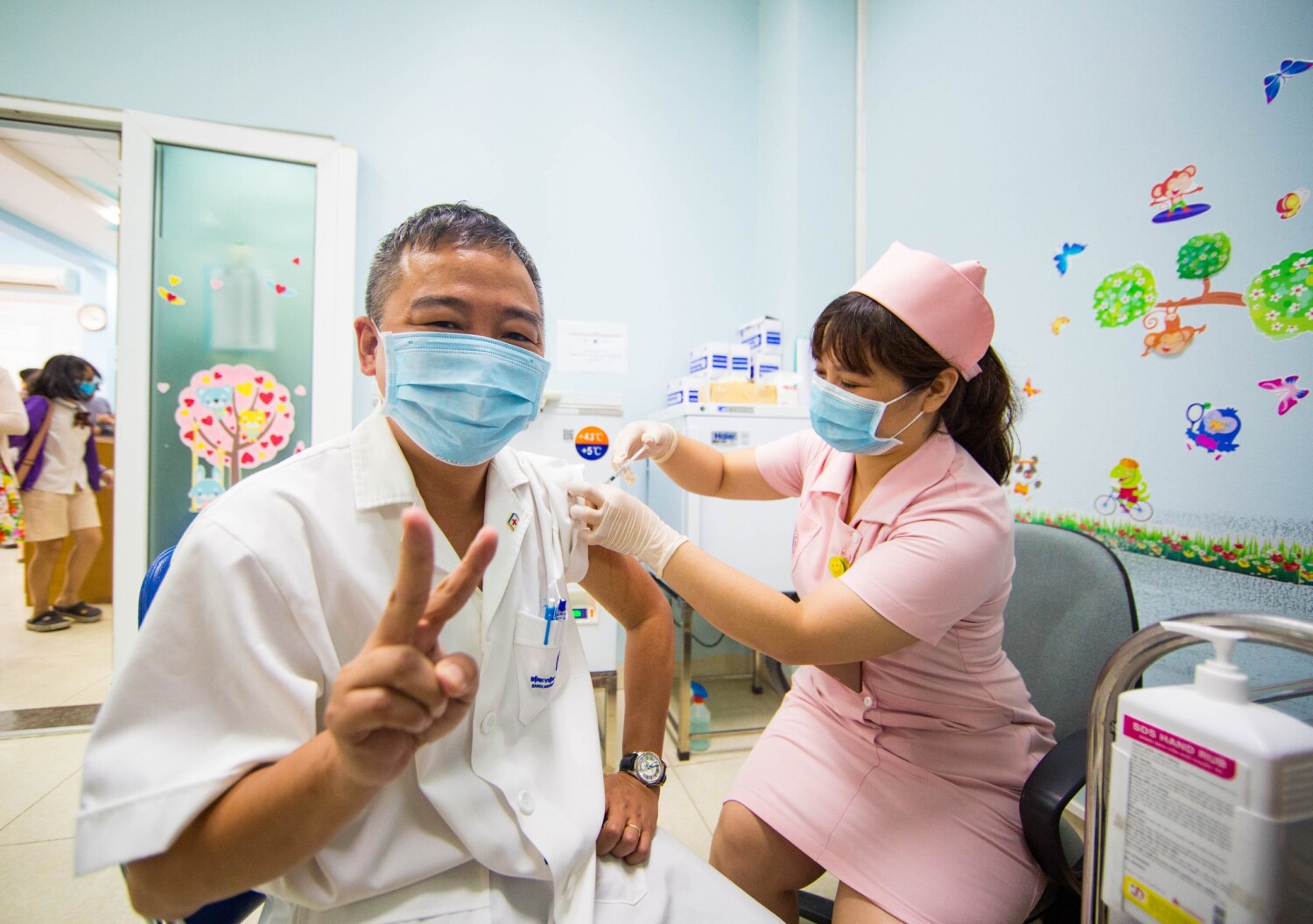
Concerns Over COVID-19 Vaccine Adversely Affecting Children: Do Parents Rush to Administer Alternative Vaccines?
To date, there is no scientific evidence confirming that COVID-19 vaccines have long-term adverse effects on children's health. Therefore, parents can feel completely confident in adhering to "on-schedule, full-dose" immunization.
Read more →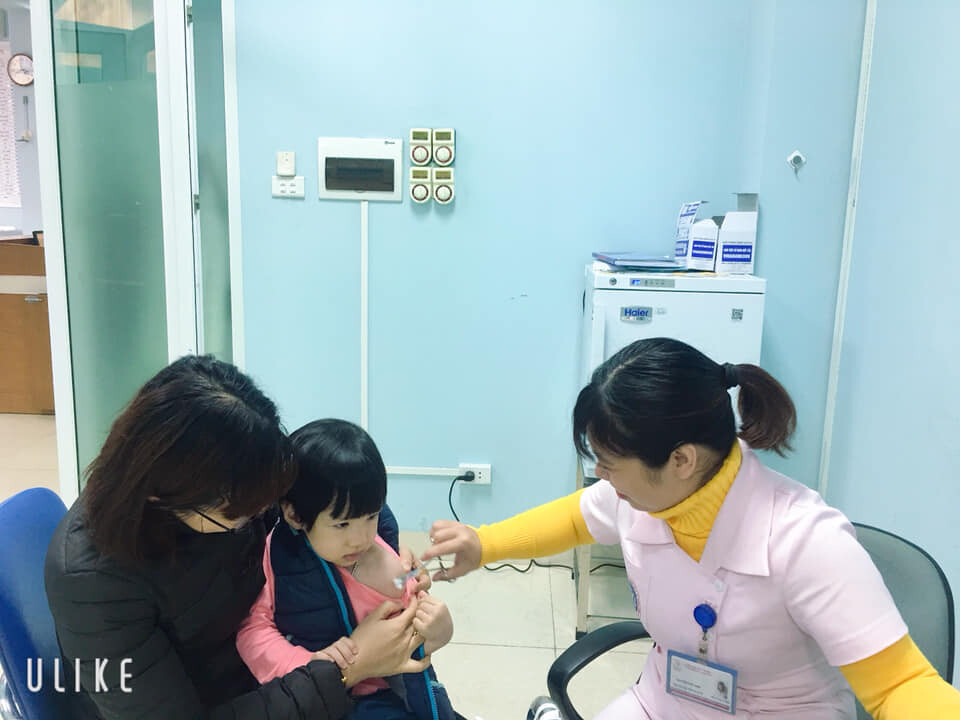
WHAT TO DO WHEN THE CONTINUOUS INCREASE OF YOUNG CHILDREN Suffering from respiratory diseases when the weather turns cold?
In the fall and winter, babies are very susceptible to infectious diseases because the weather is favorable for viruses and bacteria to thrive in the environment and attack the weak immune system. If children get sick, they are more likely to experience severe progression and dangerous complications than adults. Vietnam has a tropical climate, so infectious diseases such as dengue fever, measles, hand, foot and mouth disease are recorded all year round. Full and scheduled vaccination will help children's bodies gain active immunity, reducing morbidity and mortality from infectious diseases.
Read more →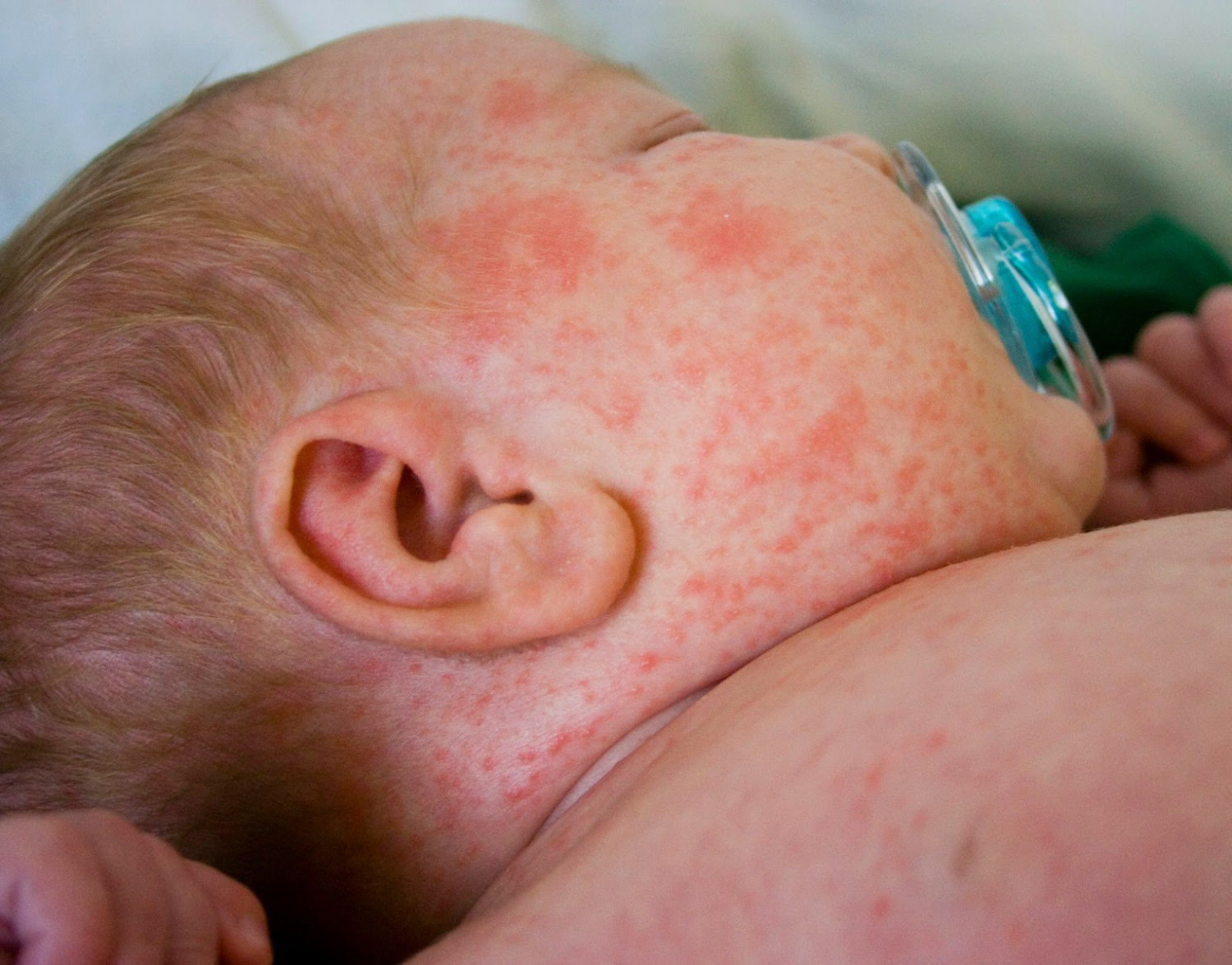
40 Million Children Worldwide Miss Out on Measles Vaccination, High Risk of Outbreaks
40 million children worldwide have not received the measles vaccine, posing a high risk of measles outbreaks.
Read more →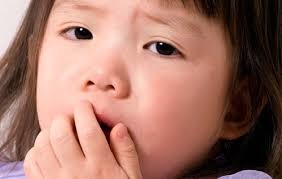
WARNING: 50% of Infants Contract Pertussis Within the First 3 Months of Life!
Experts in epidemiology, pediatrics, and maternal and child health state that the highest burden of pertussis is recorded among infants who have not yet completed their primary vaccination schedule.
Read more →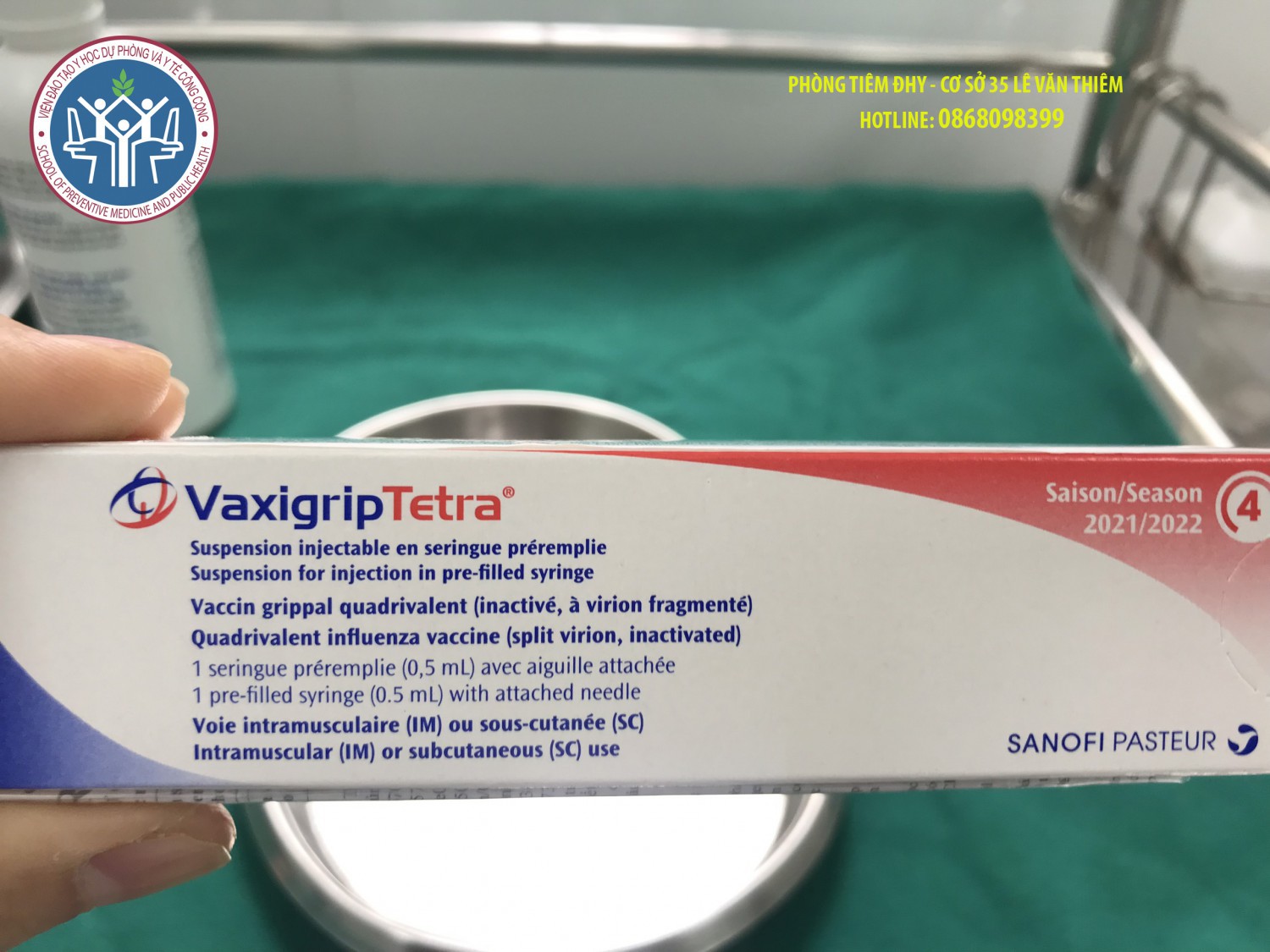
Quadrivalent Vaxigrip Tetra Influenza Vaccine Now Available at Hanoi Medical University Vaccination Clinic
Influenza (seasonal flu) is a respiratory infection caused by influenza viruses. The most effective way to reduce the risk of influenza and its potential serious complications is annual vaccination.
Read more →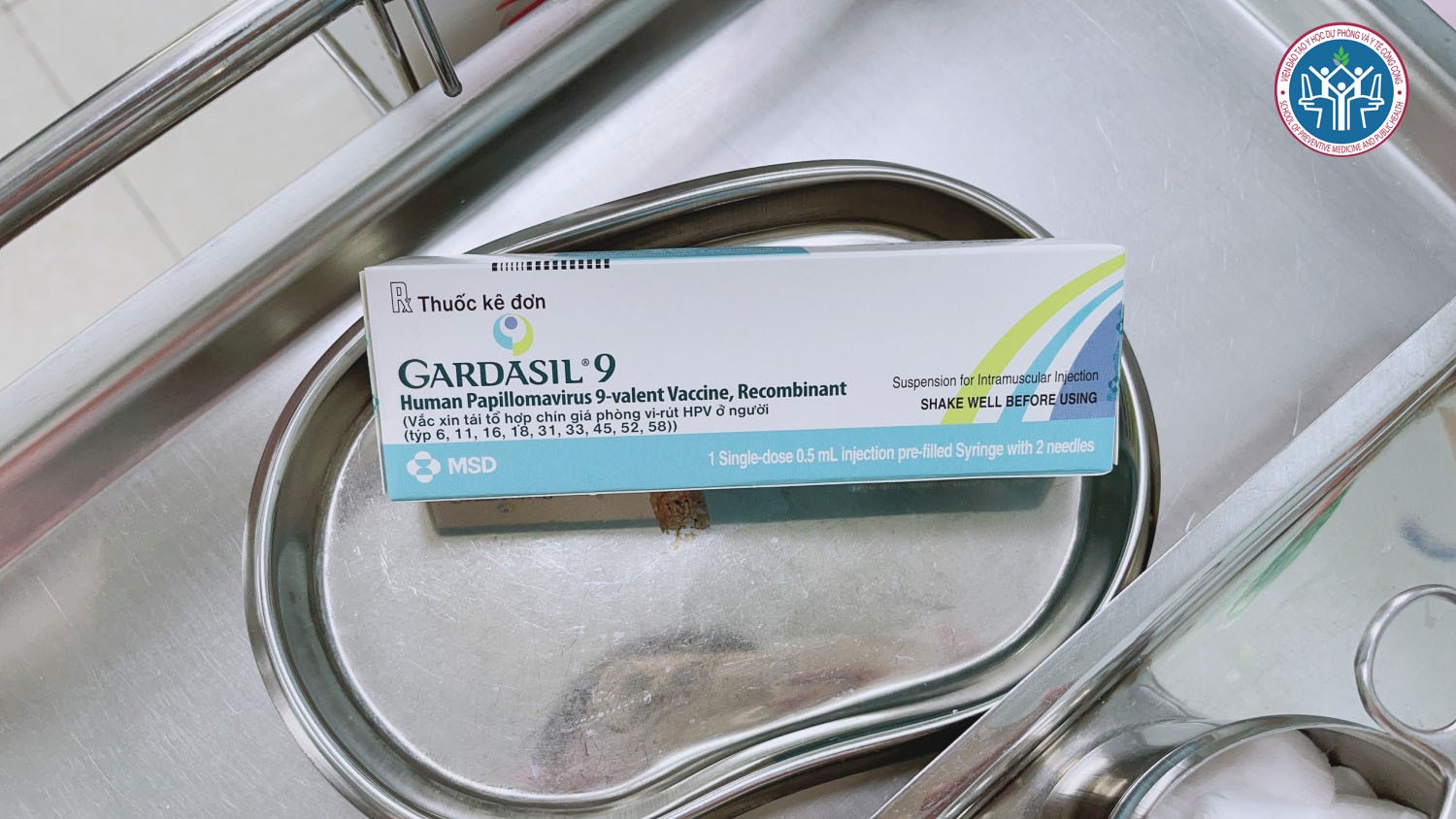
The super vaccine against HPV 9 strains is now available at the Medical University Vaccination Department
Vaccine against HPV 9 strains is available at the Medical University Vaccination Clinic
Read more →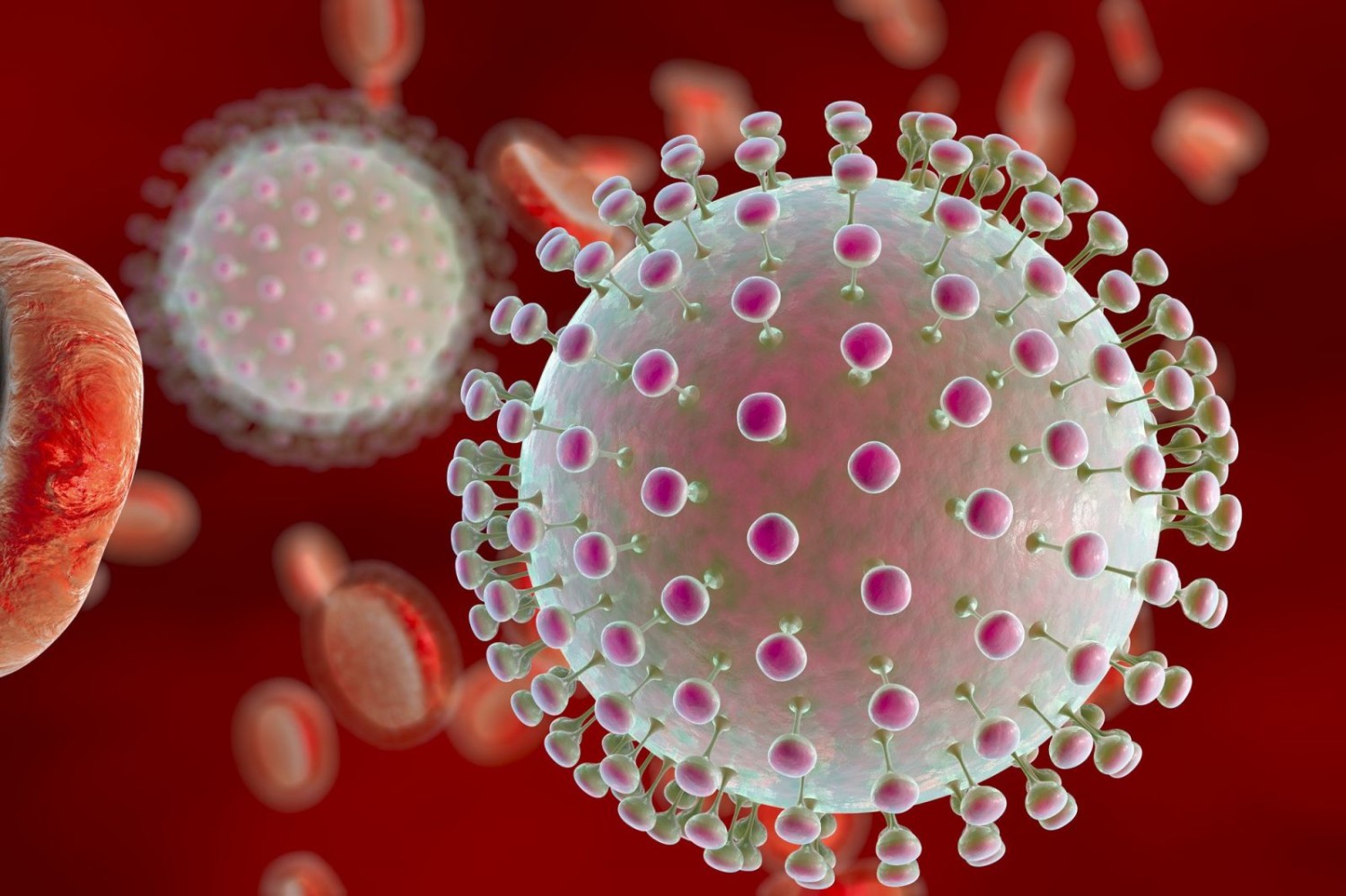
Japanese Encephalitis Poses Life-Threatening Risks and Severe Sequelae
Japanese encephalitis is a common infectious disease in the Asia-Pacific region with no specific treatment. It accounts for 67,900 cases annually (incidence rate: 1.8/100,000 population), with a mortality rate of 25-30%, and 50% of survivors suffer from severe neurological sequelae. Therefore, information regarding Japanese encephalitis remains a critical public health concern.
Read more →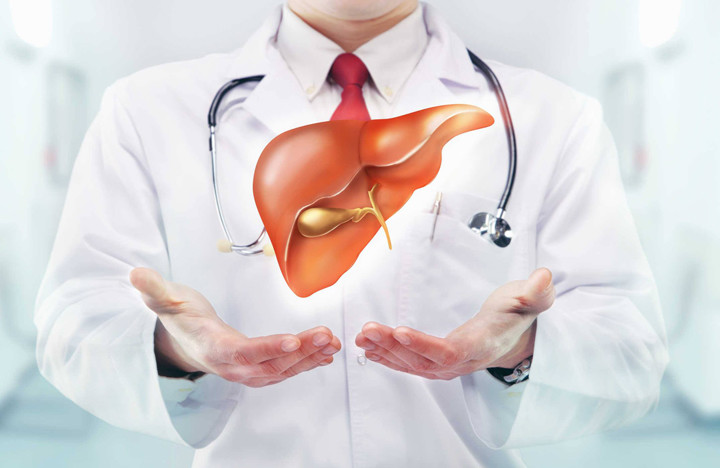
Hepatitis A Vaccination
Hepatitis A is an acute infectious liver disease caused by the hepatitis A virus. The infection is typically acute, self-limiting, and does not progress to a chronic state, with only approximately 1% of cases developing severe, life-threatening complications.
Read more →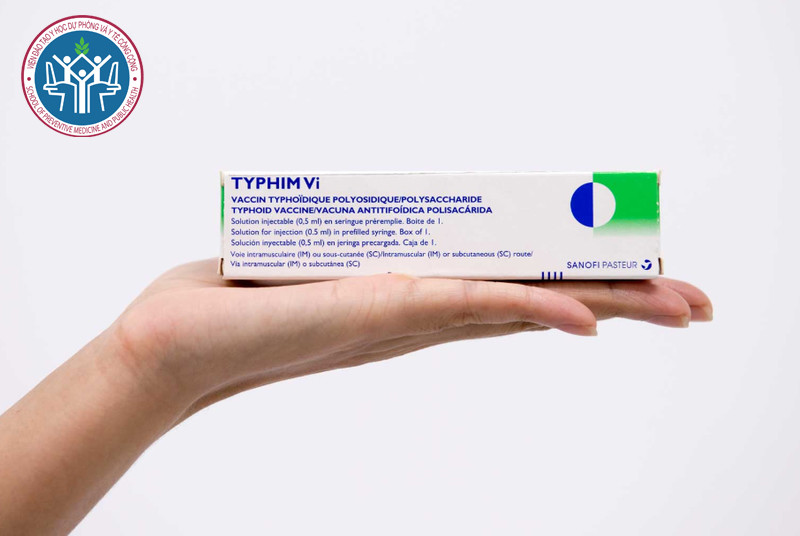
Typhoid Fever Vaccine
Typhoid fever is a dangerous infectious disease. Notably, individuals infected with typhoid fever can transmit the pathogen to others. Therefore, the most effective way to prevent typhoid fever is through vaccination, particularly in regions where the disease is endemic.
Read more →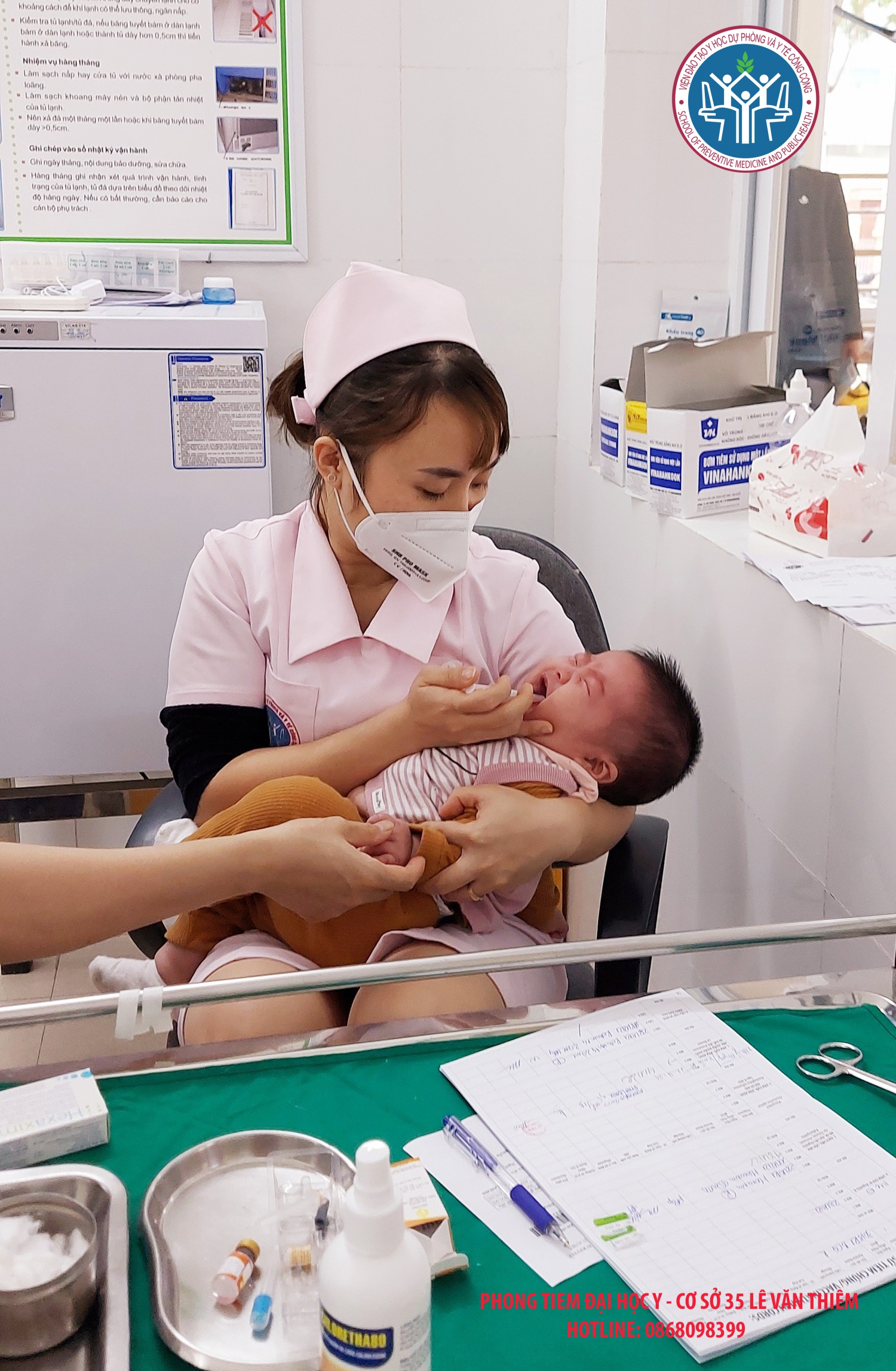
The Role of Rotavirus Vaccine in Pediatric Diarrheal Disease
Globally, acute diarrhea caused by Rotavirus claims the lives of over 600,000 children annually, with a disproportionately high incidence in developing countries. Notably, while this disease is vaccine-preventable, vaccination coverage remains insufficient.
Read more →- ▸✅ VACCINE LIST UPDATE UNTIL 15.01.202621/01/2026
- ▸What is Hepatitis B?31/05/2022
- ▸The Burden of Tuberculosis in Vietnam25/02/2022
- ▸IMPORTANCE OF HPV VACCINE VACCINE FOR WOMEN17/02/2022