

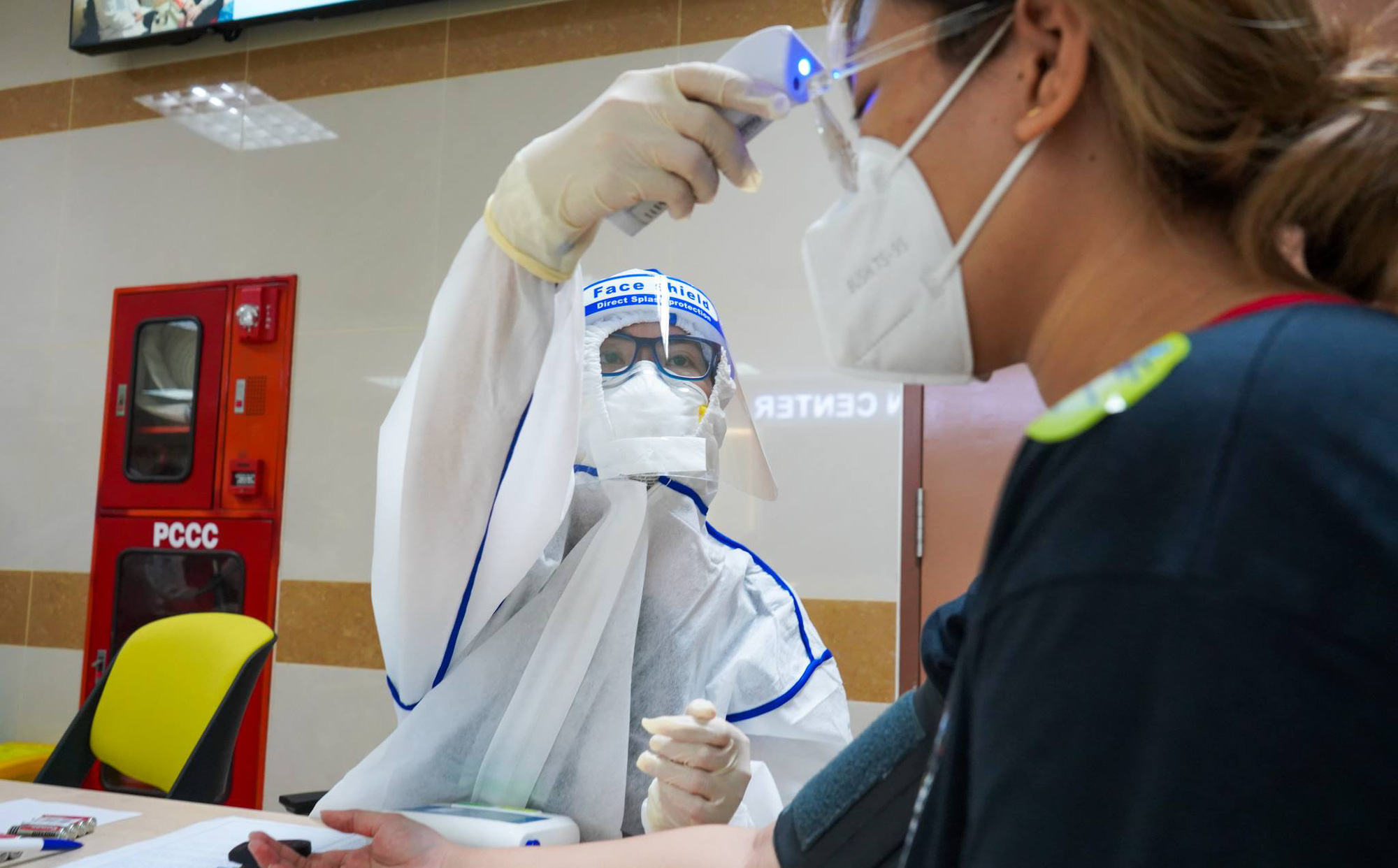
Medications That Can Be Used Post-Vaccination
Dr Minh stated that following the COVID-19 vaccination, vaccine recipients may experience common symptoms such as a fever above 38.5°C, headache, generalized or localized muscle soreness at the injection site, and pain in the vaccinated arm. In such cases, antipyretic and analgesic medications can be used.
Specifically, Acetaminophen 500mg can be taken 3 times daily (oral). Common brand names include Paracetamol, Panadol, Efferalgan, Tylenol, Hapacol, etc.
"Acetaminophen is safe to use for alleviating common discomfort symptoms after the COVID-19 vaccination, including for women who are breastfeeding or pregnant. Individuals with severe hepatic or renal impairment should consult a doctor before taking Acetaminophen," Dr Minh noted.
In cases where the vaccine recipient does not experience relief from injection site swelling and pain, or generalized body aches after 2-3 days of using Acetaminophen, or in individuals with a history of hypersensitivity reactions to Acetaminophen or Glucose-6-phosphate dehydrogenase (G6PD) deficiency, Ibuprofen 400mg taken 3 times daily (oral) can be used as an alternative.
"Ibuprofen should not be used after the COVID-19 vaccination by pregnant women. Patients undergoing treatment for chronic cardiovascular diseases, coagulation disorders, or peptic ulcer disease must consult a doctor before taking Ibuprofen," Dr Minh stated.
Some individuals may experience skin allergic symptoms such as itching, rashes, or hives after the COVID-19 vaccination. After ruling out signs suggestive of severe anaphylaxis, physicians may prescribe oral anti-histamines. Recipients must continue to self-monitor their health and immediately report to the nearest medical facility if other severe symptoms accompany these reactions.
Additionally, to alleviate symptoms of fatigue, lethargy, and loss of appetite following vaccination, you can supplement with effervescent tablets containing vitamins and electrolytes, such as Upsa C 1g, Berocca, or Re-Energize, taking 1 tablet daily after breakfast or lunch.
Medications Not to Be Used Post-Vaccination
Dr Minh recommends that although common post-vaccination reactions such as swelling and pain at the injection site may occur after receiving the COVID-19 vaccine, the public must note that applying herbal poultices, leaves, or unknown ointments to the swollen and painful injection site is strictly prohibited.
If COVID-19 vaccine recipients are currently taking prescriptions for chronic medical conditions, they must not arbitrarily discontinue or change their medications, as this may disrupt the stable status of their condition. A physician will review the prescription and make appropriate adjustments for each individual patient.
Regarding schedules for certain other vaccines: a minimum interval of at least 28 days should be maintained between the COVID-19 vaccine and other essential vaccines. As there is currently insufficient research on the co-administration of the COVID-19 vaccine with other vaccines, the World Health Organization (WHO) recommends that if the vaccination schedule cannot be altered, the other vaccine should be administered at a different injection site than the COVID-19 vaccine (a different arm or thigh).
Dr Minh further noted: "Do not use chemotherapy, radiotherapy, or immunosuppressive drugs within 14 days following the COVID-19 vaccination, as they may reduce vaccine efficacy. Furthermore, immunization committees worldwide and the WHO are also reviewing recommendations regarding immunocompromised groups potentially receiving a 3rd dose of the COVID-19 vaccine to enhance protective efficacy."
Source: https://toquoc.vn/bs-benh-vien-dai-hoc-y-duoc-tp-hcm-nhung-loai-thuoc-duoc-dung-va-tuyet-doi-khong-duoc-dung-sau-khi-tiem-vac-xin-covid-19-82021118122110470.htm