


Prof. PhD. Pham Gia Khanh - Chairman of the KC.10/16-20 Programme, speaking at the State-level Acceptance Evaluation Council meeting. Photo: Hanh Nguyen.
This is the outcome of the research project "Study on molecular epidemiological characteristics, risk factors, and application of advanced techniques in the early diagnosis of silicosis in Vietnam", belonging to the National Key S&T Programme "Research on application and development of advanced technologies for public health protection and care (KC.10/16-20)" managed by the Ministry of Science and Technology.
Prof. PhD. Le Thi Huong - Director of the School of Preventive Medicine and Public Health and Project Principal Investigator, stated that the research team selected over 8,000 direct workers in production facilities with direct exposure to silica dust in Thai Nguyen (metallurgy workers), Hai Duong (cement production), Binh Dinh and Phu Yen (granite mining), and Dong Nai (brick manufacturing), with a minimum working tenure of 1 year at the time of data collection.
The team applied molecular biology techniques to determine the molecular epidemiological characteristics and endogenous risk factors of silicosis; determine the prevalence of silicosis and analyse related factors, blood TNF-α protein concentrations, next-generation gene sequencing; etc. Simultaneously, advanced techniques including digital chest radiography according to ILO (International Labour Organization) standards, total lung capacity (TLC) measurement, and diffusing capacity of the lungs for carbon monoxide (DLCO) measurement were applied to diagnose silicosis early, before patients exhibit clinical signs.
The results showed that the prevalence of silicosis across the 5 surveyed provinces was 12%, with the metallurgy sector accounting for the highest proportion (14.9%), followed by the ore/stone mining and processing sector (14.4%), and the ceramic, porcelain, and glass manufacturing sector (13.3%). Notably, 16.5% of affected individuals had a working tenure of under 5 years. The research findings also indicated a statistically significant association between gender, age group, working tenure, smoking/waterpipe tobacco use history, duration of exposure to silica dust, and mask-wearing with the prevalence of silicosis.
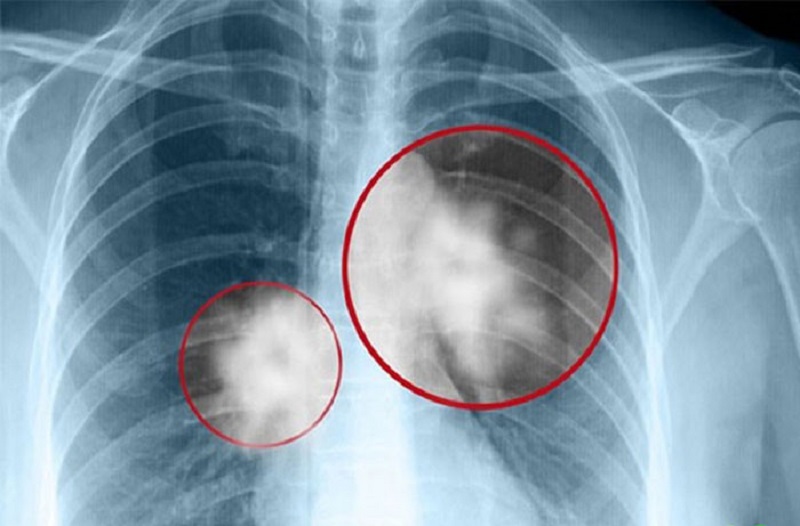
The results showed that the prevalence of silicosis across the 5 studied provinces was 12%. Photo: imedicare
The research team has mastered the procedure for applying advanced techniques in the early diagnosis of silicosis. The procedure is stable, scientific, specific, ready for technology transfer, and has been approved by the specialized council. Furthermore, the team delivered comprehensive reports including: a report on the molecular epidemiological characteristics of silicosis in Vietnam; a report on endogenous risk factors for silicosis in Vietnam; a report on the relationship between occupational exposure factors and the severity of silicosis manifestations; and a set of recommendations for preventive intervention solutions for silicosis.
The team recommended that the Ministry of Health review the minimum exposure criteria for diagnosing silicosis (proposing a threshold of 1 year or more). They also suggested continuing research to quantify blood TNF-α on a larger sample size among healthy individuals with no history of silica dust exposure, and developing artificial intelligence software for the early detection of this disease risk in the community.
Prof. PhD. Le Thi Huong stated that for the early diagnosis of silicosis, the digital chest radiography procedure according to ILO standards must be widely implemented. Absolute adherence to equipment and technical requirements is essential to obtain radiographs of guaranteed quality. The application results indicated that the prevalence of silicosis in the community remains unabated. Among the morphological patterns of silicosis observed on radiographs, small rounded opacities of type p accounted for the highest proportion (87.7%), with most opacities falling under density category 1 at 83.9%. Phu Yen province recorded the highest proportion of severe category 3 damage density, accounting for 10.5% of workers suffering from silicosis.
Assessments of total lung capacity (TLC) and diffusing capacity of the lungs for carbon monoxide (DLCO) should be conducted to comprehensively evaluate the respiratory function of workers exposed to silica dust during their employment. The prevalence of DLCO impairment in the silicosis group in this study was 13.4%. Silicosis exerts a strong impact on the diffusing capacity across the alveolar-capillary membrane. The proportion of impaired alveolar-capillary gas diffusion was 2.7% in the non-silicosis group, and 3.6% in the group without forced vital capacity (FVC) reduction.
At the project acceptance evaluation council meeting organized by the Ministry of Science and Technology on 18 June, council members highly commended the outcomes achieved by the research team. They affirmed that these research findings not only provide sound scientific evidence for educational and research activities at institutions such as Hanoi Medical University, but also serve early community prevention efforts, furnishing scientific evidence for policymakers to formulate decisions aimed at early prevention and treatment of silicosis for workers in Vietnam.
|
Silicosis is an irreversible progressive pulmonary fibrosis caused by the inhalation of free silica dust or silicon dioxide (SiO2) crystals in the working environment. The disease continues to progress even after workers are no longer exposed to silica dust. Silica exposure can occur across various occupations, including workers exposed to quartz, sand, granite (containing 60% silica), stone dust, and cement dust.
According to reports from the Administration of Occupational Health, silicosis continues to pose a significant disease burden in Vietnam, with actual morbidity and mortality rates exceeding annually reported and officially appraised figures. To date, there remains no specific treatment for this condition, yet it is entirely preventable. Therefore, prevention and early diagnosis of silicosis are of paramount importance in protecting and caring for the health of workers.
|
Hanh Nguyen
Source: https://khoahocphattrien.vn/cong-nghe/phat-trien-cac-dong-san-pham-tu-cong-nghe-nano-nhu-tuong/20210618024725913p1c859.htm