

Obesity with male infertility
Associate Professor, Dr. Nguyen Quang - Director of Andrology Center, Viet Duc University Hospital said: Obesity can affect the rate of male hypogonadism and is a potential risk of male infertility. Many studies show a direct relationship between body mass index and blood testosterone levels, meaning that if BMI increases, blood testosterone levels decrease and vice versa. Subsequent studies have shown that blood testosterone levels increase the risk of male infertility. Several other studies show that increased body mass index is associated with decreased sperm density, decreased percentage of fast moving sperm and increased male infertility rate.
Obese people often have reduced sperm count and increased erectile dysfunction. The cause may be due to increased temperature of the tissue surrounding the testicles.
Regardless of treatment, it is very important that patients need to change their lifestyle, medical treatment or bariatric surgery to help infertility treatment be more effective. Maintaining an ideal weight is important for having a healthy reproductive system and sex life, helping patients have a better ability to have children.
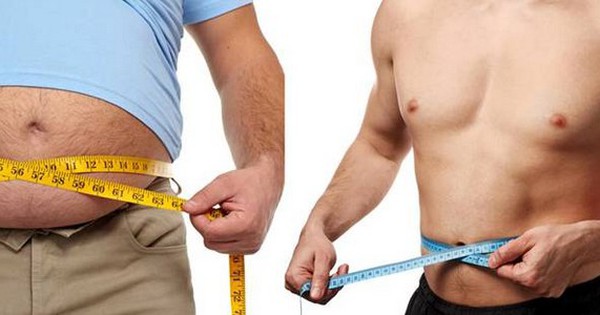
Nutrition for obese people
Changing your diet and increasing exercise is the safest way to treat obesity.
- Obese people should eat more foods rich in fiber, increase green vegetables, and less sweet ripe fruits in their daily meals. Use safe starch from brown rice, corn, potatoes, and whole grains.
- Prioritize steamed and boiled foods and limit fried foods.
- Use unsweetened milk, soy milk, and low-calorie foods.
- Increase protein sources from lean meat, chicken breast, fish, and tofu.
- Use safe fat sources from green beans, soybeans, and walnuts.
- Eat a lot in the morning, limit snacks, and don't eat at night.
- Avoid letting your body get too hungry, because when you are hungry you will eat a lot and add excess energy to your body, accumulating fat.
Besides changing your diet, you should also have a reasonable exercise plan and an active life to bring your weight to a normal index.
To avoid being overweight or obese, you need to exercise regularly. You can choose to exercise, jog, jump rope, swim, or cycle to burn the calories you take in every day. Have an active lifestyle, increase work activities but still ensure your health, such as taking the stairs at home or work, cycling or walking to work (if the workplace is not too far), helping with household chores instead of looking at the phone or playing games. after work hours.
In addition, you should avoid carbonated drinks, alcohol, cigarettes, processed foods, foods high in sugar such as chocolate, sweets, etc.