
Nutrition plays a significant role in antibody production following vaccination, thereby influencing vaccine efficacy. Therefore, what should one consume after a COVID-19 vaccination to maintain health?
Stay Hydrated When Experiencing Fever After COVID-19 Vaccination
Fever is a common immune response following vaccination. When experiencing a fever after a COVID-19 vaccination, the body is prone to dehydration; therefore, rehydration is of paramount importance.
The required fluid intake should be calculated based on individual body weight. The basic water requirement for adults is 35–40 ml/kg/day. For older adults, the daily requirement is 30–35 ml/kg/day. Prioritize drinking warm water, sipping slowly. If you feel chilled, you may drink warm ginger water, as ginger has warming properties that are beneficial for raising body temperature.
What Should You Eat After a COVID-19 Vaccination?
To best support the immune system post-vaccination, especially when experiencing a fever, prioritize nutrient-dense and anti-inflammatory foods. Recommended food choices include:
Fish: Fish possesses anti-inflammatory properties and is rich in omega-3 fatty acids, which help enhance immune function.
Chicken: Chicken is a protein-rich food source with anti-inflammatory properties. Furthermore, chicken is highly suitable for individuals with diabetes and hypertension. It can be consumed 2–3 times per week after vaccination.
Eggs: Eggs are an abundant source of protein and contain essential amino acids that help boost immune capacity.
Note the importance of supplementing with whole-grain foods rich in vitamins and minerals, such as whole-grain bread, oats, brown rice, and corn. Incorporate vegetables into lunch and dinner, and add fruit to breakfast and daily snacks.
Consume Vitamins for Rapid Recovery After COVID-19 Vaccination
Micronutrient supplementation is crucial for the mechanisms of the body's immune system. Micronutrients identified as essential for the development and function of immune cells include vitamins C, D, A, E, B6, zinc, selenium, iron, and protein (including the amino acid Glutamine). These groups act as antioxidants to protect healthy cells and support the development and activity of immune cells and antibody production. A deficiency in any of these nutrients can alter immune system function.
Vitamin A is abundant in dark green vegetables and yellow/red fruits such as gac fruit, papaya, mango, Malabar spinach, and amaranth; and animal-based foods such as chicken, pork, and beef liver.
Vitamin E is found in natural food sources such as soybeans, bean sprouts, sesame, peanuts, wheat germ, sunflower oil, olive oil, and dark green leafy vegetables.
Vitamin C is abundant in Malabar spinach, culantro, amaranth, jute leaves, Malabar spinach, green onions, and fruits such as pomelo, papaya, mandarin, orange, and lemon.
Vitamin D is found in fish liver, egg yolks, fish, seafood, and milk.
B-group vitamins are abundant in rice bran, cereals, legumes, sesame, wheat germ, heart, and liver.
Iron is found in wood ear mushrooms, shiitake mushrooms, red amaranth, soybeans, beef blood, pork kidneys, duck egg yolks, and field crabs.
Meat, fish, shrimp, clams, milk, eggs, mussels, and oysters are zinc-rich foods.
Eat Plenty of Green Vegetables and Fruits
Foods such as green vegetables, turmeric, garlic, and onions are nutrient-dense and also have immune-boosting effects. Consume plenty of fresh fruit or drink fruit juices rich in vitamins C and A (such as oranges, strawberries, apples, and lemons). Drinking perilla leaf tea or eating porridge with perilla is highly effective for managing fever after a COVID-19 vaccination.
A diet rich in plant fiber, including a variety of fruits, green vegetables, whole grains, and tubers, contributes to supporting the development and maintenance of beneficial gut microbiota. Gut microbiota has been proven to play a critical role in the function of the body's immune system. Recommended daily intake is 200–300g of green vegetables and 100–200g of ripe fruit per person.
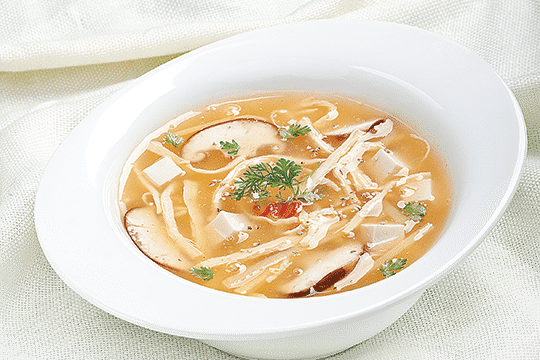
When experiencing fever after vaccination, consume soft, easily digestible food.
If you experience nausea or loss of appetite after vaccination, do not skip meals; instead, consume soft, easily digestible foods such as chicken soup, minced meat porridge, or mung beans, or substitute with a glass of milk and eat smaller, more frequent meals. Do not skip meals due to fever; it is necessary to maintain a nutritionally complete diet.
After a COVID-19 vaccination, maintain a healthy sleep duration of approximately 7–8 hours per night. Sleep deprivation can induce stress and trigger the release of substances that suppress the immune system, such as cortisol.
Additionally, engage in light exercise for about 30 minutes per day to support blood circulation, which helps reduce vaccine side effects. Avoid strenuous activity for at least the first 3 days post-vaccination.