
To date, there is no scientific evidence confirming that COVID-19 vaccines have long-term adverse effects on children's health. Therefore, parents can feel completely confident in adhering to "on-schedule, full-dose" immunization. Recently, parents have rushed to have their children vaccinated against influenza and pneumococcal disease based on rumors that these vaccines can help prevent COVID-19. Is it true that pneumonia and pneumococcal vaccines can also prevent COVID-19?
There are many causes of community-acquired pneumonia. Among them, common bacterial pathogens include Streptococcus pneumoniae (also known as pneumococcus), seasonal influenza viruses, and respiratory syncytial viruses (RSV). Each vaccine is designed to prevent health issues caused by its specific pathogen.
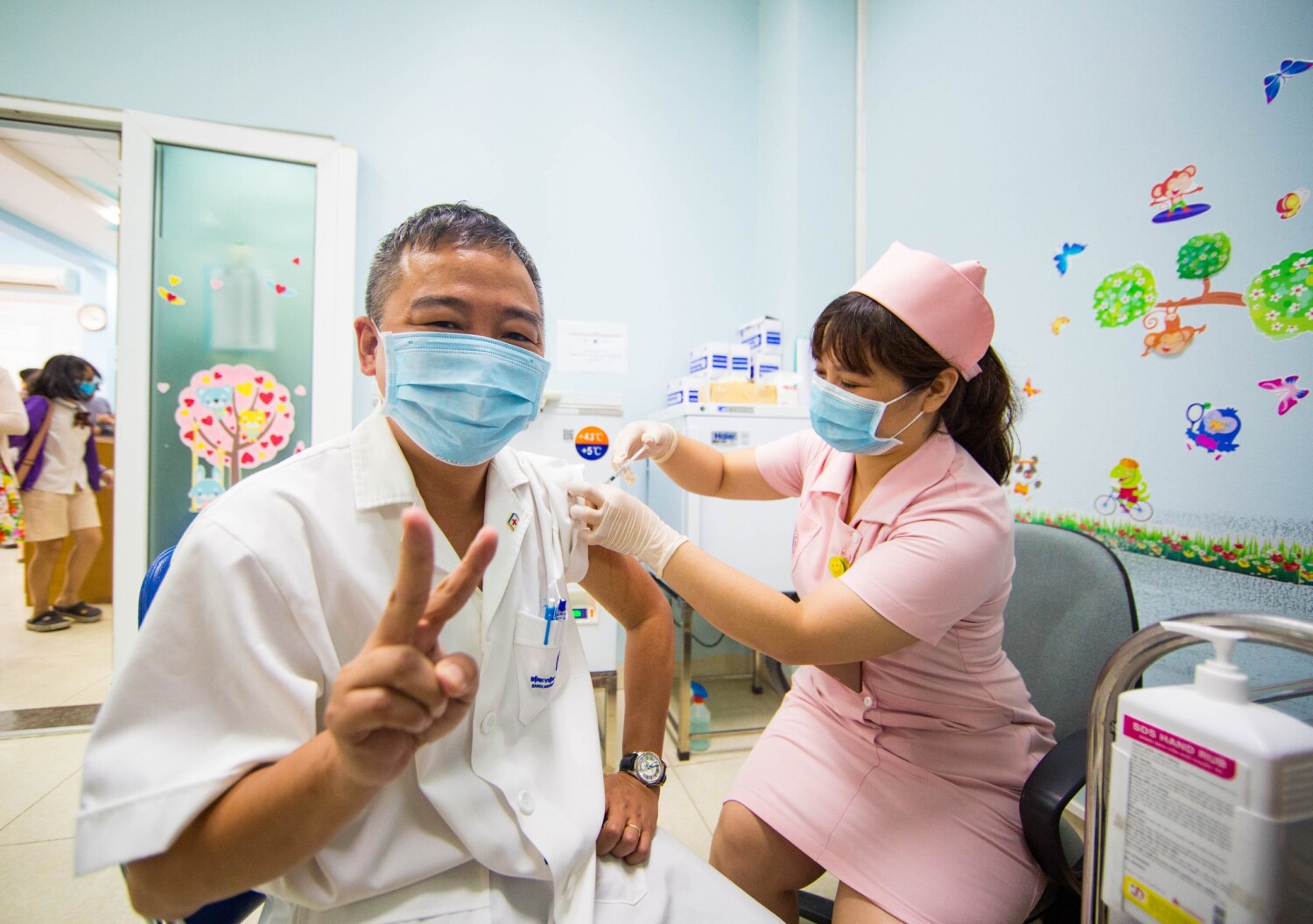
COVID-19 vaccination remains the most effective measure for direct protection against COVID-19.
Influenza and pneumococcal vaccines are recommended for older adults, children, and individuals with underlying health conditions. These vaccines cannot replace the COVID-19 vaccine. However, receiving these vaccinations—particularly for older adults—significantly reduces the risk of secondary pneumococcal and influenza co-infections in the unfortunate event of contracting COVID-19, thereby lowering mortality rates. Therefore, these vaccines only serve to prevent pneumococcal and influenza superinfections when a person is infected with COVID-19, and they do not prevent COVID-19 itself.
Reference source: Health & Life Newspaper (Báo Sức khỏe và Đời sống)