
The United States Centers for Disease Control and Prevention (CDC) recommends that pregnant women receive pertussis (whooping cough) and influenza vaccines during each pregnancy to protect both mother and baby.
Pertussis
Pertussis (whooping cough) is particularly dangerous for newborns and can even be life-threatening. Approximately half of infants under one year of age who contract pertussis require hospital treatment. The younger the infant is when contracting pertussis, the more closely they must be monitored and treated in a hospital setting. It is often difficult to determine if an infant has pertussis, as many affected infants do not exhibit a cough. However, the disease carries a high risk of causing cyanosis and apnea, with a very high mortality rate among newborns.
Pregnant women should receive the pertussis vaccine between the 27th and 36th week of pregnancy, ideally before the 35th week, to generate optimal antibodies for the newborn. When the pertussis vaccine is administered during pregnancy, the immune system produces protective antibodies and transfers some of these to the baby before birth. Consequently, the baby receives early, short-term protection against pertussis.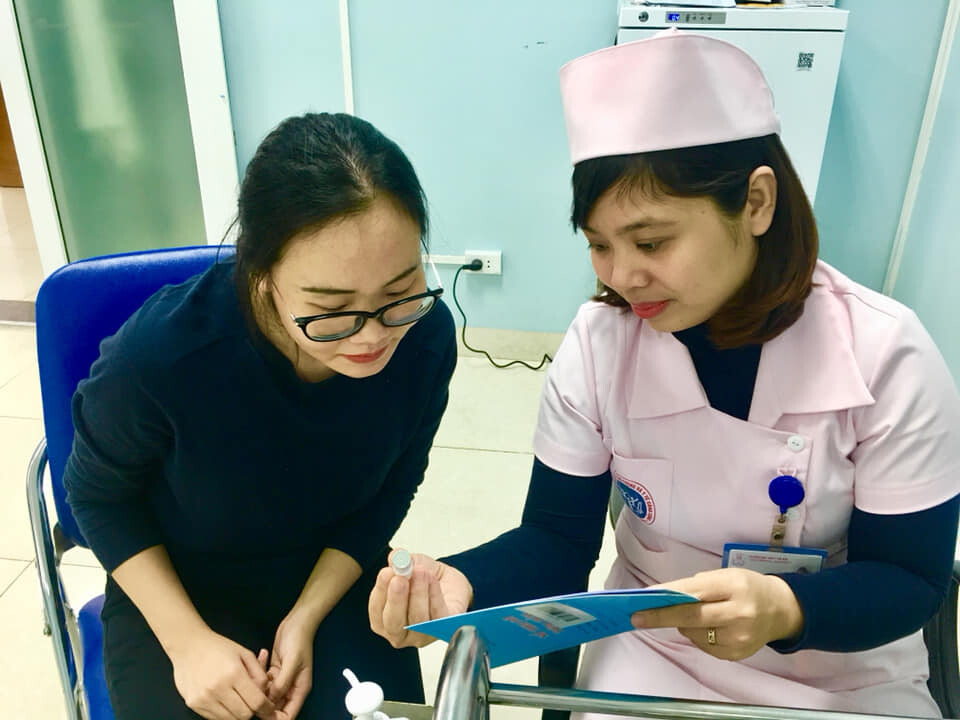 The United States Centers for Disease Control and Prevention recommends that pregnant women receive pertussis and influenza vaccines.
Influenza
Influenza symptoms are exacerbated by changes in immune, heart, and lung function during pregnancy, making you more susceptible to severe complications from the flu. Contracting influenza also increases the risk of serious issues affecting the baby's development, including preterm birth. Influenza vaccination is recommended for pregnant women during flu season. This is the best way to protect both the mother and the baby for several months after birth, while avoiding flu-related complications.
Flu season varies from one season to the next, but it is best for pregnant women to receive the vaccine by the end of October, if possible. Vaccination at this time helps strengthen protection before influenza activity begins to increase and reaches its peak.
Reference: Health and Life Newspaper