
In the fall and winter, babies are very susceptible to infectious diseases because the weather is favorable for viruses and bacteria to thrive in the environment and attack the weak immune system. If children get sick, they are more likely to experience severe progression and dangerous complications than adults.
Vietnam has a tropical climate, so infectious diseases such as dengue fever, measles, hand, foot and mouth disease are recorded all year round. In the fall-winter and winter-spring seasons, children are susceptible to diseases such as atopic dermatitis, mumps, Japanese encephalitis, chickenpox, seasonal flu, digestive diseases, respiratory infections... That's why vaccinating children is extremely necessary.
Full and scheduled vaccination will help children's bodies gain active immunity, reducing morbidity and mortality from infectious diseases. To prevent, parents should proactively get their children vaccinated with the following vaccines:
Flu vaccine
In Vietnam, seasonal flu occurs all year round. Possible complications related to the flu include pneumonia, bronchitis, respiratory failure, sinus infections, and ear infections.
Children 6 months and older can get the flu vaccine. Children from 6 months to under 9 years old, who have not previously been vaccinated against influenza, should be protected by 2 doses of influenza vaccine at least 1 month apart and then get a booster shot once a year. Children from 9 years old and adults need 1 injection and repeated once a year
Influenza vaccination should be repeated annually to ensure antibodies are maintained and compatible with flu strains that change each year. Currently, the vaccination clinic at Hanoi Medical University has flu vaccines to prevent up to 4 most dangerous strains of seasonal flu viruses today, called Quadrivalent flu vaccines.
Diphtheria - pertussis - tetanus vaccine
Diphtheria, pertussis and tetanus are the three most dangerous infectious diseases for children in their first years of life. The disease leaves many serious complications, so from 2 months old, babies can be vaccinated to prevent it, and up to 16 - 24 months old, vaccinated again.
According to the World Health Organization (WHO), vaccines containing 3 components to prevent Diphtheria - Pertussis - Tetanus need to be vaccinated when children are 4-7 years old and 9-15 years old and then every 10 years to maintain effectiveness because the body's preventive immune effectiveness against Diphtheria - Pertussis - Tetanus at these times has decreased significantly. The world has also recorded whooping cough outbreaks in the 15-18 age group due to not re-vaccinating these vaccines.
Japanese Encephalitis Vaccine
Children are at high risk of Japanese encephalitis, especially during the changing seasons. According to statistics from Tam Anh General Hospital in Hanoi, cases of Japanese encephalitis are mostly due to not being fully vaccinated, not being vaccinated again, or because relatives confuse the symptoms with common colds, leading to delays in treatment.
Japanese encephalitis currently has no specific treatment but can be effectively prevented by vaccination. Japanese Encephalitis Vaccine can be given to children 9 months and older and has been proven to be highly effective in preventing the disease.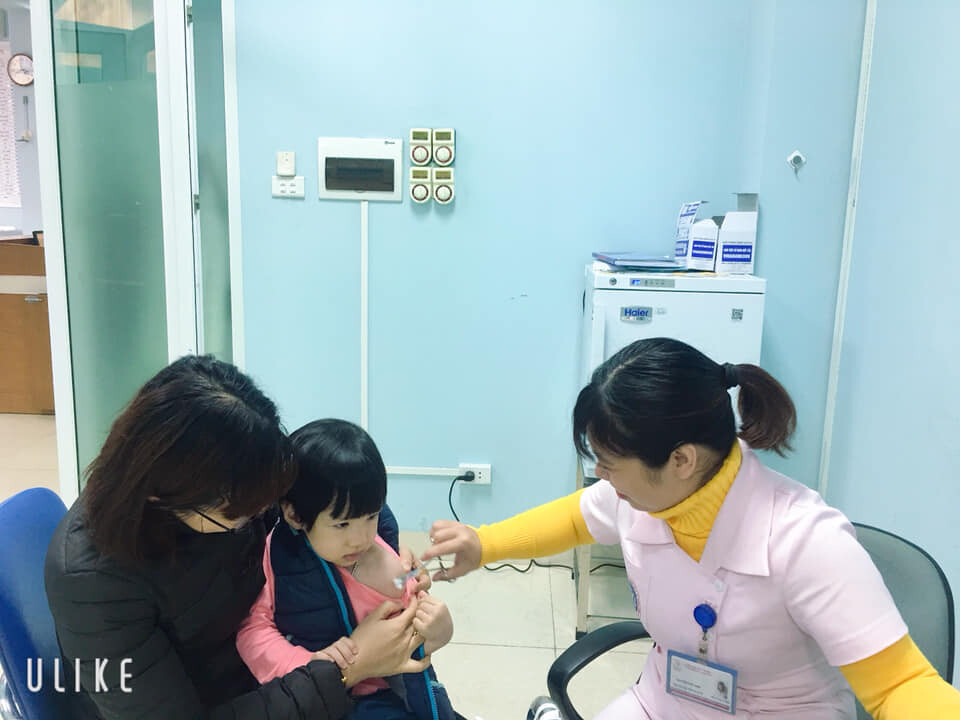
Vaccinating children is extremely necessary, especially during the changing seasons
Pneumococcal/meningococcal vaccine
Pneumococcus has many complex strains, is easily transmitted through the respiratory tract (coughing, sneezing) and causes serious life-threatening diseases such as pneumonia, meningitis, otitis media and septicemia. Especially in high-risk groups such as young children, the elderly, and people with weakened immune systems, the death rate is up to 50%.
Pneumococcal vaccine can be given to children as early as 6 weeks of age. If the pneumococcal vaccine is administered in full doses and on schedule, the child will be protected safely enough to prevent diseases caused by pneumococcal bacteria.
Meningococcal bacteria can also cause encephalitis or meningitis or both. Children with meningitis caused by meningococcal bacteria show signs of sudden high fever of 39-40 degrees Celsius, headache, vomiting..., and can die within 24 hours.
Children from 6 months of age are recommended to be vaccinated against diseases caused by meningococcal types B+C. In addition, vaccines to prevent meningococcal meningitis types A, C, Y, W-135 are recommended for children from 9 months and adults up to 55 years of age. Meningococcal vaccines are effective in protecting up to 90%.
Measles-mumps-rubella vaccine
Measles - Mumps - Rubella are all diseases that are easily transmitted through the respiratory tract if there are no antibodies to prevent the disease. The disease spreads quickly, easily causes epidemics and can cause dangerous complications if not treated promptly, affecting health and even life.
Currently, there is a Priorix combination vaccine that helps prevent 3 diseases: measles - mumps - Rubella at the same time in just 1 injection, which can be given to children from 9 months old. This is a live, attenuated vaccine that works by creating active immunity to help the body fight disease-causing viruses.
Chickenpox Vaccine
Chickenpox is one of the diseases with the highest infection rate in Vietnam. Children, pregnant women, the elderly... are subjects with weaker immune systems than other groups, so they are at increased risk of infection, susceptible to dangerous complications such as pneumonia, meningitis... even death if not detected and treated promptly. People who have never had or been vaccinated have a high risk of getting chickenpox, especially the disease does not exclude any age group, so they need to be vaccinated early. WHO recommends that all children be vaccinated against chickenpox. Children will receive the first injection from 9 months of age, then receive a second injection to ensure maximum effectiveness.
Reference source: Health and Life Newspaper