

 Japanese encephalitis is a common infectious disease in the Asia-Pacific region with no specific treatment. It accounts for 67,900 cases annually (incidence rate: 1.8/100,000 population), with a mortality rate of 25-30%, and 50% of survivors suffer from severe neurological sequelae. Therefore, information regarding Japanese encephalitis remains a critical public health concern.
☘️Characteristics
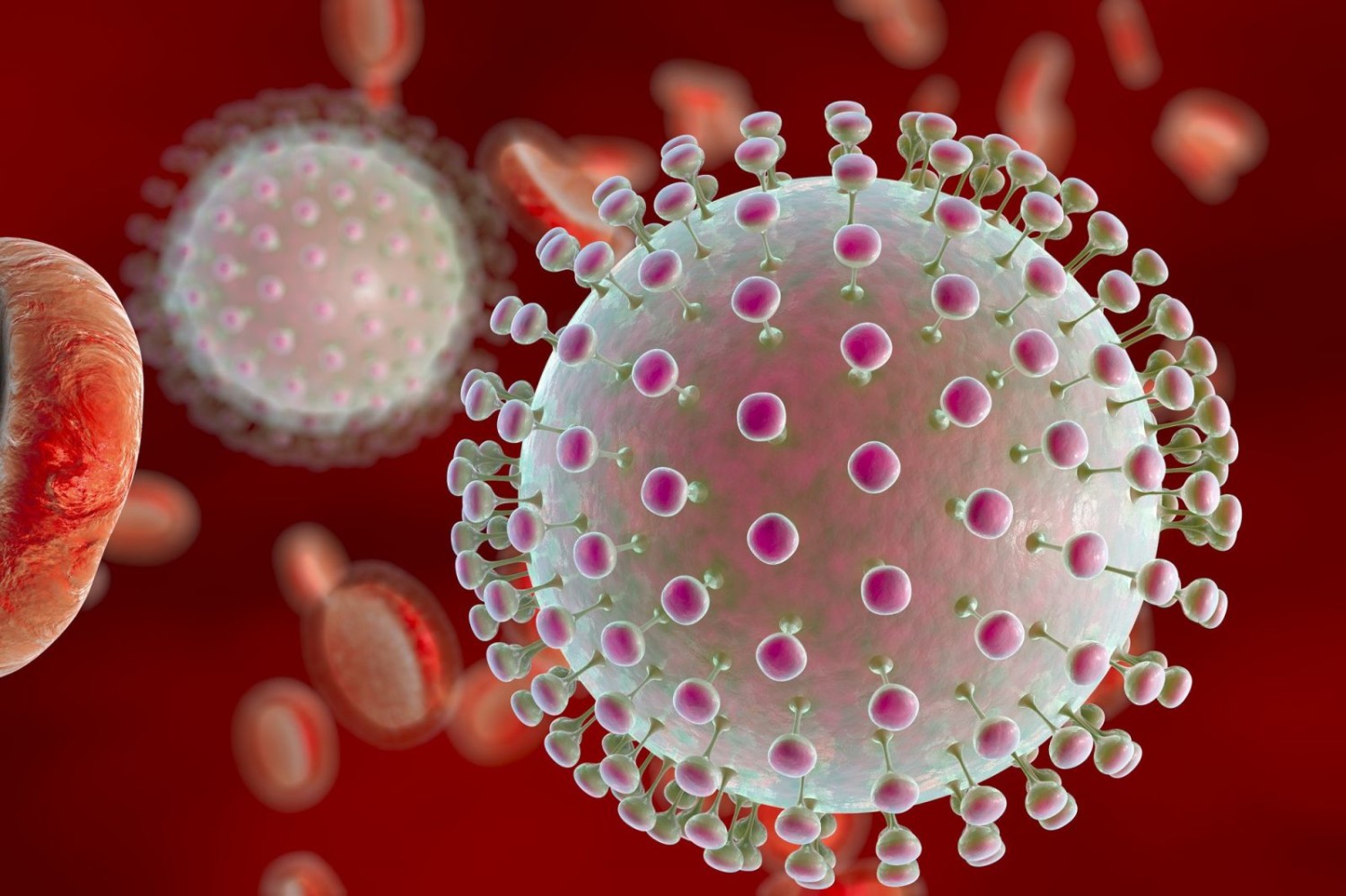
Japanese encephalitis is an acute infectious disease transmitted via the bloodstream, causing central nervous system infection in both adults and children. It is caused by the Japanese encephalitis virus, which belongs to the Flavivirus genus within the Togaviridae family. The Japanese encephalitis virus is thermolabile, inactivated at 56°C for 30 minutes and at 100°C for 2 minutes. The virus can survive for several years in a frozen state.
Reservoirs: The primary reservoirs for Japanese encephalitis are wild birds and livestock such as pigs, buffalo, cattle, and horses.
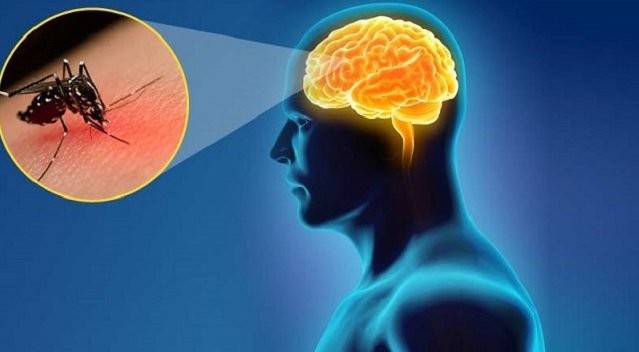
Transmission route: Transmitted via the Culex mosquito vector. Mosquitoes become infected with the Japanese encephalitis virus after taking a blood meal from infected animals and subsequently transmit it to humans through mosquito bites. Culex mosquitoes breed prolifically during the summer; therefore, Japanese encephalitis outbreaks typically occur in the summer, particularly between May and July.
☘️Incubation period
The incubation period for Japanese encephalitis ranges from 5 to 14 days, with an average of one week. During this period, patients typically remain asymptomatic.
Prodromal stage: This stage corresponds to the virus crossing the blood-brain barrier and causing cerebral edema, leading to manifestations of meningeal syndrome. The disease onset is sudden, with high fever reaching 39-40°C or higher. Patients may experience headaches, abdominal pain, nausea, and vomiting. Within the first 1-2 days, symptoms such as neck stiffness, increased muscle tone, oculomotor disturbances, confusion or loss of consciousness, and hyperreflexia may occur. In some young children, diarrhea, abdominal pain, and vomiting may be observed, mimicking foodborne bacterial intoxication.
Acute stage: From the 3rd-4th day to the 6th-7th day of the disease: The virus invades the brain parenchyma, causing destruction of nerve cells. The prominent symptoms during the acute stage are signs of brain damage and focal neurological deficits.
By the 3rd-4th day, symptoms from the prodromal stage do not subside but rather intensify. Patients progress from delirium and agitation to impaired consciousness and eventually deep coma. Autonomic nervous system dysfunction also increases: profuse sweating, fluctuating skin color (flushing or pallor), respiratory irregularities, and increased bronchial secretions; the pulse is typically rapid and weak, and blood pressure increases.
Patients may experience delirium, hallucinations, and agitation. Increased muscle tone causes patients to lie in a curled position, accompanied by twisting spasms, tonic convulsions, or tremors of facial and limb muscles. Some patients exhibit stereotypy, maintaining fixed postures.
Focal symptoms: Paralysis of limbs; cranial nerve damage, particularly the oculomotor and facial (VII) nerves. Patients often succumb within the first 7 days; those who survive this period generally have a better prognosis.
☘️Japanese Encephalitis Vaccine
Japanese encephalitis poses life-threatening risks and severe sequelae. Vaccination is the simplest and most effective measure for disease prevention!

Currently, there are two types of Japanese encephalitis vaccines: Jevax and Imojev.
The IMOJEV vaccine, produced by Sanofi (France), is a highly effective recombinant vaccine.
Age group: Children from 9 months of age and older. The regimen consists of 2 doses. Parents with children aged 9 months or older should bring their children for early vaccination to provide the earliest protection against the risk of Japanese encephalitis.
HMU VACCINATION CLINIC  Safe - Attentive - Reliable
 Facility 1: No. 1 Ton That Tung, Dong Da District, Hanoi.Facility 2: No. 35 Le Van Thiem, Thanh Xuan District, Hanoi
 Operating Hours: - Monday to Sunday morning
- Morning: 8:00 - 11:30 - Afternoon: 13:30 - 16:30 Fanpage: https://www.facebook.com/phongtiemchungdhy
https://www.facebook.com/phongtiemchungdhycoso2 Hotline: 02462597231 / 0868098399