

 According to World Health Organization statistics, the disease most frequently affects children under 5 years of age. In developing countries, there are over 125 million cases of Rotavirus-induced diarrhea in children under 5 annually. The younger the child, the higher the risk of infection; therefore, the disease is commonly encountered in children under 2 years old, particularly those under 12 months.In Vietnam, numerous studies have identified Rotavirus as the primary cause of diarrheal disease in children. It is a highly prevalent condition, ranking second only to acute respiratory infections in the pediatric population.
In Northern Vietnam, the disease typically occurs during the autumn-winter season, extending into spring (characterized by rainy, cold, and humid weather). In Southern Vietnam, the disease occurs year-round, with peak incidence in March and September. In Vietnam, 56% of pediatric hospitalizations for acute gastroenteritis are attributed to Rotavirus infection. Annually, deaths due to Rotavirus account for 4-8% of all-cause mortality in children under 5 years of age.
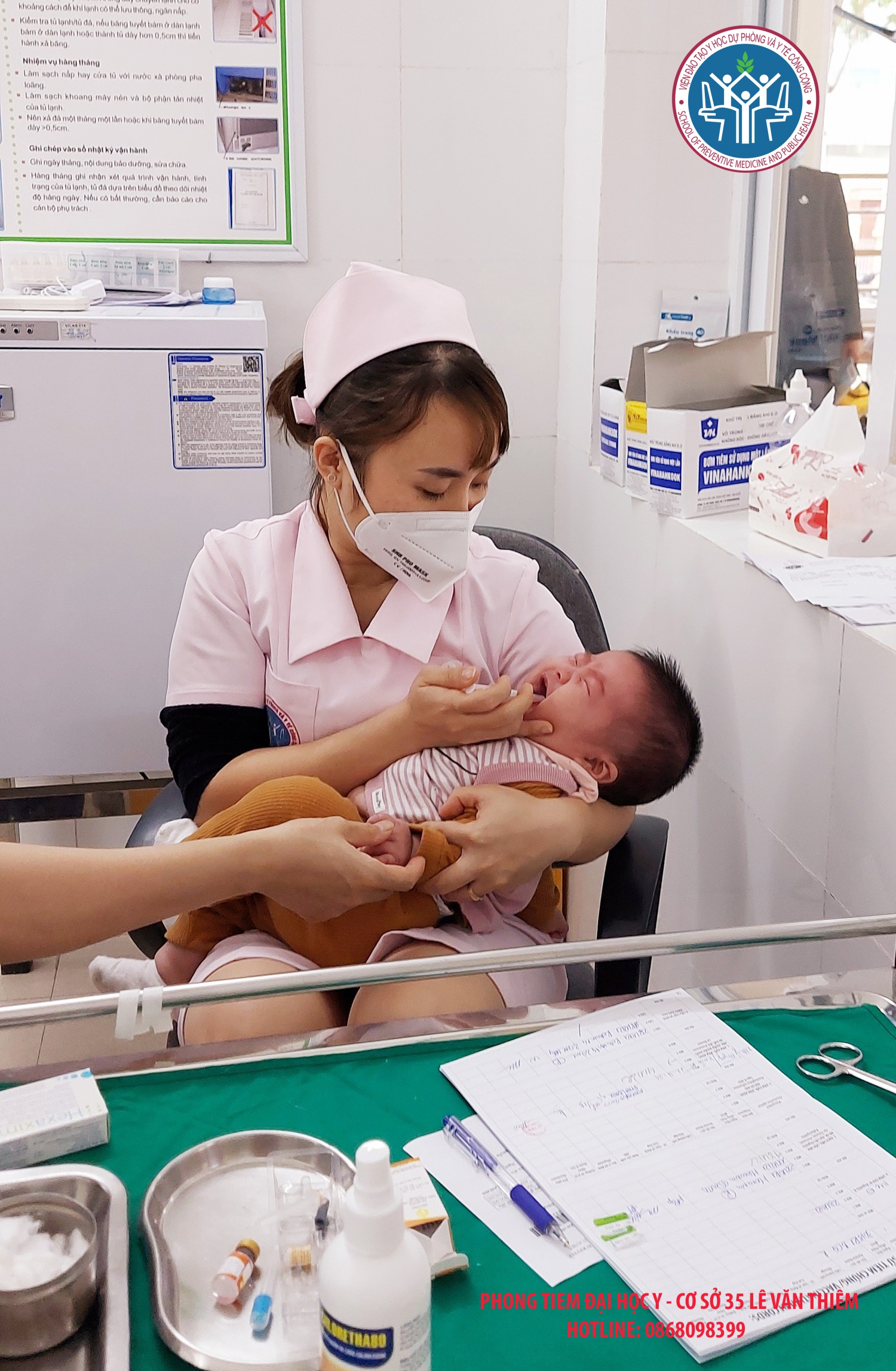 Acute diarrhea caused by Rotavirus spreads rapidly, primarily through the fecal-oral and hand-to-mouth routes. Rotavirus can survive on contact surfaces such as toys, tabletops, handrails, in water, or on the skin. Children are susceptible to Rotavirus infection upon contact with the feces of infected individuals. Children also frequently contract Rotavirus via their own contaminated hands. When children handle toys or touch surfaces contaminated with the virus and subsequently place their hands in their mouths, the virus easily enters the gastrointestinal tract and causes disease.
Children infected with Rotavirus shed a massive quantity of the virus. Every 1ml of stool from a child with acute Rotavirus diarrhea can contain over 10 trillion Rotavirus particles, whereas fewer than 10 particles are sufficient to transmit the infection to humans.
Individuals of all ages can be infected with Rotavirus; however, the disease most frequently occurs in children under 2 years of age. Within the first 5 years of life, almost all children will have been infected by this virus.
Currently, there is no specific antiviral treatment for acute diarrhea caused by Rotavirus. Antibiotics are ineffective in treating this condition. Oral rehydration and appropriate nutritional support remain the fundamental methods of treatment.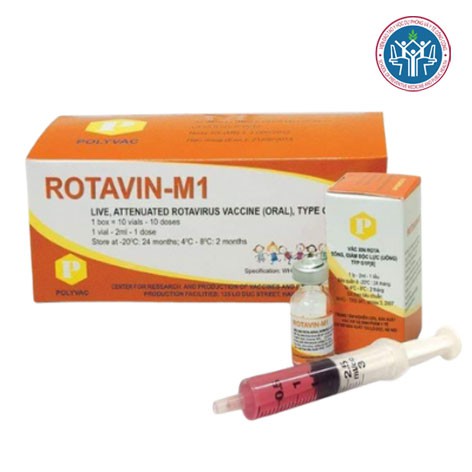
Therefore, the most effective way to prevent acute diarrhea caused by Rotavirus is through vaccination. Since the disease is most common and severe in very young children, they should receive the vaccine as early as possible. However, this is an oral vaccine specifically for Rotavirus-induced acute diarrhea, while diarrheal disease can be caused by many other pathogens. Consequently, after vaccinating their children, parents should also adhere to hygiene practices, such as consuming cooked food and boiled water, and washing hands before eating and after using the restroom.
Rotavirus Vaccine for the prevention of acute diarrhea is indicated for children aged 2 to 6 months. The vaccination schedule depends on the specific type of vaccine. Currently, the HMU Vaccination Center offers two types of Rotavirus vaccines:
- Rotarix vaccine (Belgium): 2 doses; the first dose is administered at 6 weeks of age, followed by the second dose 4 weeks later. It is recommended that children complete the Rotavirus vaccination series before 24 weeks of age.
- Rotateq vaccine (USA): 3 doses; the first dose is administered between 7-12 weeks of age, with the subsequent two doses spaced one month apart; the third dose must be completed before 32 weeks of age.
Contact Information:
HMU VACCINATION CENTER "Safe - Attentive - Reliable"
HMU VACCINATION CENTER "Safe - Attentive - Reliable"
 Facility 1: No. 1 Ton That Tung, Dong Da District, Hanoi.Facility 2: No. 35 Le Van Thiem, Thanh Xuan District, Hanoi.
 Operating Hours: - Monday to Sunday morning
- Morning: 8:00 - 11:30 - Afternoon: 13:30 - 16:30

 Hotline: 02462597231 / 0868098399