

 Flu vaccine is a very necessary disease prevention "shield" for children and important for adults, especially in the context of the Covid-19 epidemic causing a wave of resurgence globally. So how many types of flu vaccines are there today? What should you keep in mind before getting a flu shot?…
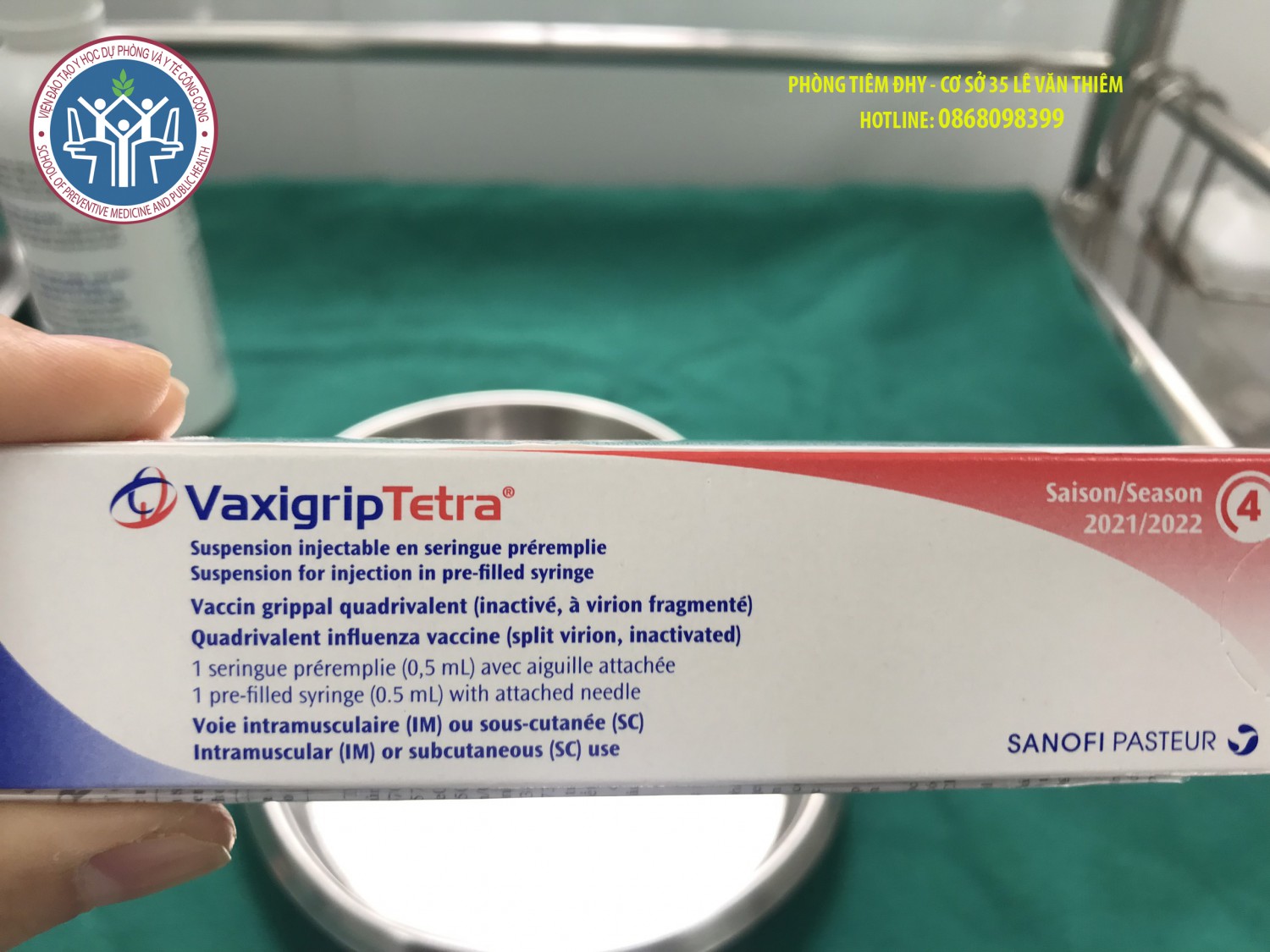
Flu vaccine is a vaccine that prevents the invasion and attack of influenza virus strains. Get a flu vaccine every year brings great benefits, helping children and adults minimize the incidence of illness, the risk of severe complications, hospitalization and death from influenza.
Influenza vaccine protects the body by creating specific antibodies against the influenza virus, which will appear about 2-3 weeks after vaccination. These specific antibodies will help destroy the virus (neutralize the virus) when the body is exposed to flu pathogens to help reduce the likelihood of infection and reduce the severity of the disease if infected. However, antibody levels will gradually decrease over time, and flu virus strains constantly change from year to year, which is why the flu vaccine formula is always updated each year to match the virus strain currently circulating and the get a flu vaccine booster annually is essential to maintain the highest level of protection.
 Why should you get vaccinated against seasonal flu?
According to statistics from the US Centers for Disease Control and Prevention (CDC), each year seasonal flu kills about 650,000 people around the world, with about 10 million hospitalizations.
Looking back, the H1N1 flu pandemic (1918) caused 500,000 – 700,000 deaths in the United States, of which about 200,000 occurred in October 1918 alone – and an estimated 30-40 million deaths worldwide, the majority occurring in people aged 15-35. Next, the 1957 H2N2 flu pandemic (Asian flu) claimed about 70,000 deaths in the United States and about 1-2 million people worldwide. The 1968 H3N2 flu pandemic (Hong Kong flu) caused 34,000 deaths in the United States and about 1 million deaths worldwide.
In Vietnam, seasonal flu causes an extremely large disease burden, on average, over 800,000 people are infected with flu, the number of cases often increases sharply at the time of season change. In particular, if not detected and treated promptly, seasonal flu can cause serious complications such as pneumonia, ear infections, seizures, etc. and unexpected consequences such as heart attack, stroke, etc.
In the context of Covid-19 creating terrible pressure on the health system as the number of cases and deaths increases continuously, the fear of "co-infection" with influenza and COVID-19 causes a "double" burden for the global health system. Research on 75,000 COVID-19 patients by the European Society of Clinical Microbiology and Infectious Diseases shows that people who have been get a flu shot may be protected from serious complications, reduced hospitalizations, and less urgent medical care (ICU) due to COVID-19. Therefore, flu vaccination is very important and necessary for both children and adults, especially when the Covid-19 vaccine is not available and not enough to cover the community.
The World Health Organization (WHO) affirms that the most effective way to prevent seasonal flu is to be fully vaccinated, on schedule, flu vaccine has been proven safe and effective and has been used for over 60 years.
When and what month of the year should you get a flu shot?
Vietnam is a tropical country, so influenza viruses (both Southern Hemisphere and Northern Hemisphere influenza viruses) can appear all year round. In particular, according to research by epidemiologists, seasonal flu usually peaks in March-April and October 9-10 every year, and tends to increase in winter and spring. Therefore, the appropriate time to get the flu vaccine is about 2 weeks - 1 month before the epidemic season because after vaccination, the body needs 2 weeks to produce antibodies against the flu virus.
When and what month of the year should you get a flu shot?Vietnam is a tropical country, so influenza viruses (both Southern Hemisphere and Northern Hemisphere influenza viruses) can appear all year round. In particular, according to research by epidemiologists, seasonal flu usually peaks in March-April and October 9-10 every year, and tends to increase in winter and spring. Therefore, the appropriate time to get the flu vaccine is about 2 weeks - 1 month before the epidemic season because after vaccination, the body needs 2 weeks to produce antibodies against the flu virus.
At the same time, medical experts recommend that people should proactively get flu shots at sensitive times about the epidemic, especially when Covid-19 spreads rapidly and causes confusion in the community. Influenza vaccination does not prevent COVID-19, but helps strengthen the immune system, creating non-specific innate immunity that provides additional protection, reducing the risk of hospitalization and serious complications caused by COVID-19. Importantly, the symptoms of flu have many similarities with COVID-19 such as fever, runny nose, cough, etc.
Get vaccinated influenza fully and on schedule will help reduce confusion about symptoms of COVID-19 and seasonal flu for timely treatment, minimizing overload at medical facilities.
Contact information:
VACCINATION ROOM OF MEDICAL UNIVERSITY "Safe - Considerate - Reliable"
 Facility 1: No. 1 Ton That Tung, Dong Da District, Hanoi.Facility 2: No. 35 Le Van Thiem, Thanh Xuan District, Hanoi
 Time: - From Monday - Sunday morning every week
- Morning: 8:00 a.m. - 11:30 a.m. - Afternoon: 1:30 p.m. - 4:30 p.m.
 Fanpage: https://www.facebook.com/phongtiemchungdhy
https://www.facebook.com/phongtiemchungdhycoso2
 Hotline: 02462597231 / 0868098399