
 In recent years, cases of encephalitis and meningitis caused by Neisseria meningitidis have been consistently reported across various localities nationwide, primarily affecting children. This reality has led parents to take a keen interest in meningococcal vaccination for their children. Common questions include: what is meningococcal meningitis, how dangerous is it, where can children be vaccinated, what is the cost, and when is the appropriate age for vaccination?
 Meningococcal meningitis is an acute bacterial infection that progresses rapidly within 24 hours, manifesting with symptoms such as high fever, headache, vomiting, dizziness, and coma. The two common clinical presentations are meningitis and septicemia, characterized by the following signs:
Meningococcal Meningitis
- Sudden high fever (39-40°C).
- Severe headache (children may exhibit excessive irritability/crying).
- Vomiting and nausea (poor appetite, refusal to eat or breastfeed, lethargy, and fatigue).
- Nuchal rigidity (stiff neck), a characteristic sign of meningitis (to be examined and confirmed by a physician). In infants under 1 year old, an abnormally bulging fontanelle may be observed.
Meningococcal Septicemia
- High fever (39-40°C), chills, shivering, headache, vomiting, joint pain, and muscle pain, particularly severe pain in the back and legs.
- Approximately 75% of patients develop petechiae (purpuric spots) within one to two days after the onset of fever. These spots are red or dark purple, ranging from 1-2 mm to several centimeters in size, and may sometimes show central necrosis. Petechiae can appear all over the body but are primarily concentrated in the armpits, flanks, and around joints such as the elbows, knees, and ankles. Occasionally, these lesions may present as blisters or spread extensively.
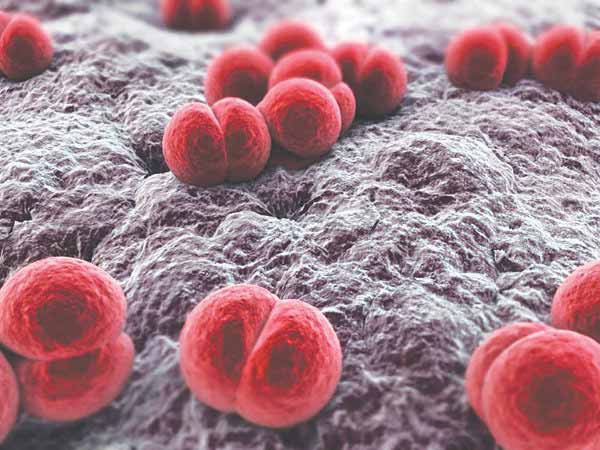 While anyone can contract meningococcal disease, individuals under 30 years of age, especially infants and young children, are at higher risk. The disease is highly dangerous and progresses rapidly, potentially leading to death within 24 hours if not treated aggressively. As the disease is transmitted through the respiratory route, the risk of infection upon contact with an infected person is very high, and it carries the potential to develop into an outbreak if not controlled promptly. Therefore, the most effective preventive measure remains vaccination.Currently, the meningococcal vaccine is a private service vaccine and has not yet been included in the Expanded Program on Immunization (EPI). Consequently, the vaccination rate remains low. However, individuals, especially children, can contract the disease at any time, regardless of whether they reside in an outbreak area.
Therefore, in addition to maintaining personal hygiene for children and ensuring a clean living environment, meningococcal vaccination is the best way to protect children. The recommended vaccination schedule is as follows:
- Meningococcal AC vaccine (protecting against serogroups A and C): The first dose is administered to children from 2 years of age (or children over 6 months old who have been exposed to an infected person). A booster dose is required every 3–5 years.
- Meningococcal BC vaccine (protecting against serogroups B and C): Administered to children from 6 months of age. Two doses are required, with the second dose administered 6–8 weeks after the first.
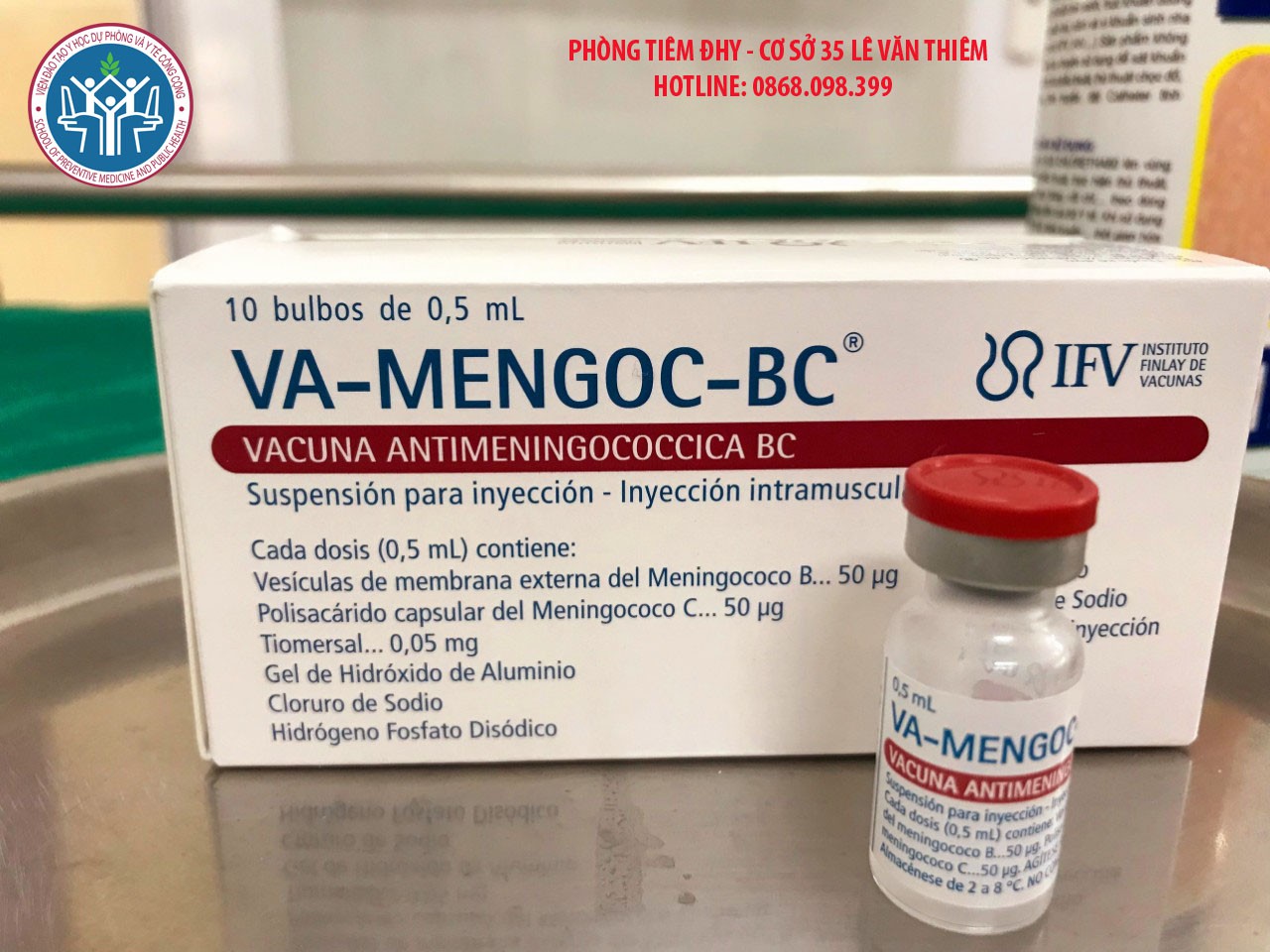
 The HMU Vaccination Center currently has meningococcal vaccines available. Parents can register for vaccination packages for their children or opt for individual doses of any vaccine, including meningococcal AB and BC vaccines.
Contact Information:
HMU VACCINATION CENTER "Safe - Attentive - Reliable"
 Facility 1: No. 1 Ton That Tung, Dong Da District, Hanoi.Facility 2: No. 35 Le Van Thiem, Thanh Xuan District, Hanoi.
 Working Hours: - Monday to Sunday morning
- Morning: 08:00 - 11:30 - Afternoon: 13:30 - 16:30

 Hotline: 02462597231 / 0868098399