

Hepatitis B is a dangerous chronic disease that causes over 600,000 deaths annually worldwide. According to the World Health Organization, there are currently more than 300 million people living with Hepatitis B globally. This article provides a general overview of this condition.
1. Causes and Transmission Routes of Hepatitis B
Hepatitis B is caused by the Hepatitis B Virus (HBV). The virus has an incubation period of 3 to 6 months, depending on the individual's health status. It then becomes active and causes acute Hepatitis B. If the body fails to develop immunity to the virus after 6 months, the disease progresses to a chronic stage, resulting in a lifelong HBV infection. Hepatitis B is primarily transmitted through three routes:
Mother-to-child transmission:
When a pregnant woman is infected with the Hepatitis B virus, the risk of transmission to the fetus is very high. In the first trimester, the transmission rate is 10%, increasing to 60-70% in the final trimester. The risk of transmission to the fetus can reach 90% if timely protective measures are not taken immediately after birth. 50% of these infants may develop chronic Hepatitis B and are at risk of cirrhosis in adulthood.
Sexual transmission:
The Hepatitis B virus present in male semen or female vaginal secretions can infect a partner through minor abrasions during sexual intercourse. Therefore, it is essential to avoid unprotected sexual activity, use safe sex practices, and refrain from oral sex or the use of unhygienic sexual devices.
Blood-borne transmission:
Hepatitis B can be transmitted through blood transfusions from infected donors or the use of unsterilized medical equipment contaminated with the virus. This includes sharing needles, syringes, or personal items such as razors and toothbrushes. Additionally, cosmetic procedures, nail care, and tattooing performed with unhygienic equipment contaminated with the virus pose a significant risk.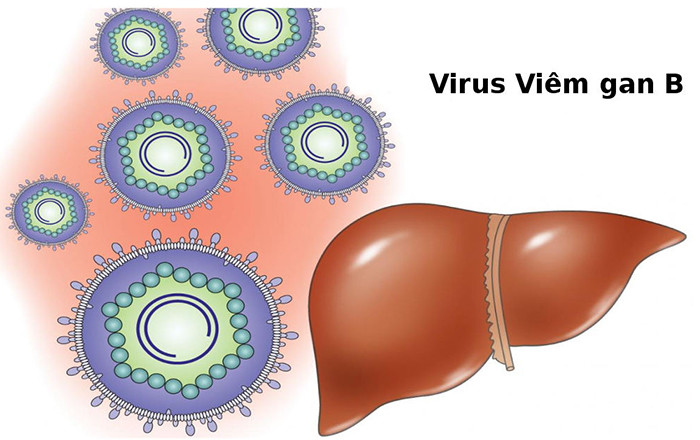
Hepatitis B is an infectious disease caused by the Hepatitis B virus (HBV)
2. Clinical Symptoms and Diagnostic Testing for Hepatitis B
The HBV virus belongs to the Hepadnaviridae family and has a DNA structure. Based on nucleotide sequences, HBV is classified into 10 different genotypes, labeled A through J. HBV possesses three types of antigens: HBsAg, HBeAg, and HBcAg, which correspond to three types of antibodies: anti-HBs, anti-HBc, and anti-HBe. The presence of these antigens and antibodies is crucial for identifying the disease, its clinical form, and its progression. Currently, the availability of vaccines has significantly reduced the number of new HBV infections. Hepatitis B often presents with few clear symptoms in the early stages, which can lead patients to be complacent and overlook the condition. Symptoms become more pronounced as the disease progresses over a long period. Approximately 30% to 50% of Hepatitis B patients exhibit the following symptoms:
- Fatigue, lethargy, and physical weakness
- Loss of appetite, indigestion, aversion to fatty foods, and bloating
- Jaundice (yellowing of the skin and eyes), dark urine, and pale stools
- Pain in the liver region (upper right abdomen)
- Mild fever in the evening and skin itching
To determine if one is infected with the Hepatitis B virus, necessary tests and examinations must be performed to gather sufficient diagnostic data, including:
Checking for HBsAg positivity and the level of HBsAb.
If HBsAg is positive, the following steps are required:
- Testing: HBeAg, HBeAb, HBcAb.
- Liver function tests: To assess the extent of liver damage.
- HBV-DNA test: To evaluate the viral replication status. Higher levels indicate more robust viral replication and higher infectivity.
- Ultrasound: To observe changes in the liver, gallbladder, and pancreas, which is highly beneficial for treatment. A Fibroscan is particularly recommended for the early detection of cirrhosis.
- Liver biopsy: To determine the degree of liver damage through biopsied liver tissue.
If HBsAg is negative and HBsAb is between 10 - 100 IU/ml: A booster dose of the Hepatitis B vaccine is recommended.
If HBsAg is negative and HBsAb is < 10 IU/ml: A primary series of 3 doses of the Hepatitis B vaccine is recommended.
If HBsAg is negative and HBsAb > 100 IU/ml: Protective antibodies are sufficient; no vaccination is currently required.
3. Harmful Effects and Complications of Hepatitis B
After the incubation period, the Hepatitis B virus becomes active, attaches to the surface of liver cells, utilizes the cytoplasm of liver cells to replicate its genetic code, and buds off to produce new viral particles. This entire process disrupts liver cell function and increases the risk of complications. Hepatitis B can lead to impaired liver function, fatty liver disease, cirrhosis, and liver cancer within 10 years of developing cirrhosis.
4. Treatment of Hepatitis B
Currently, there is no cure to completely eliminate the HBV virus. Treatment methods are limited to controlling and suppressing viral activity, inducing a state of viral inactivity, preventing disease recurrence and complications, and facilitating the recovery of liver function.
5. Prevention of Hepatitis B
Proactive prevention:
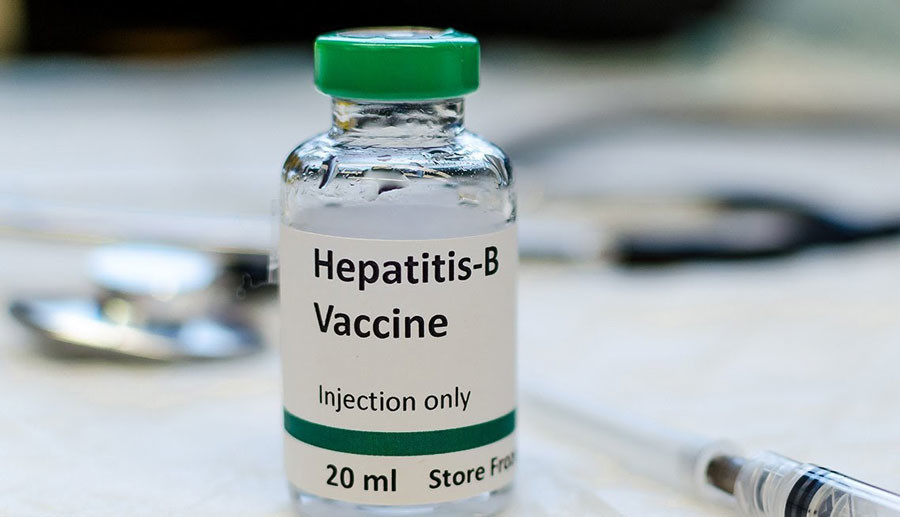
- Administer the Hepatitis B vaccine to all infants within 24 hours of birth, followed by subsequent doses at 2, 3, and 4 months of age according to the Expanded Program on Immunization.
- Vaccinate individuals who have not been infected with HBV. HBsAg and anti-HBs testing should be conducted prior to vaccination. To achieve effective immunity, 3 doses are required (the second dose 1 month after the first, and the third dose 6 months after the first). High-risk groups should follow the 0-1-2-12 vaccination schedule: the second dose 1 month after the first, the third dose 1 month after the second, and a booster dose after 1 year.
Prevention of mother-to-child transmission:
If the pregnant mother is HBsAg (+): Administer the birth dose of the Hepatitis B vaccine to the infant according to the Expanded Program on Immunization, combined with the administration of Hepatitis B immunoglobulin (HBIG). These should be administered at the same time but at different injection sites. Subsequently, ensure the infant receives all required doses of the Hepatitis B vaccine as per the regulations of the Expanded Program on Immunization.
Non-specific prevention:
- Screening of blood and blood products.
- Avoid sharing needles and other percutaneous instruments.
- Practice safe sex.
- Avoid contact with blood and secretions of HBV-infected patients.
- Implement standard precautions for blood-borne diseases.
HANOI MEDICAL UNIVERSITY VACCINATION CENTER Safe - Attentive - Reliable
Facility 1: No. 1 Ton That Tung, Dong Da District, Hanoi.
Facility 2: No. 35 Le Van Thiem, Thanh Xuan District, Hanoi
Operating hours: - Monday to Sunday morning
- Morning: 8:00 - 11:30 Afternoon: 13:30 - 16:30
Fanpage: https://www.facebook.com/phongtiemchungdhy
https://www.facebook.com/phongtiemchungdhycoso2
Hotline: 02462597231 / 0868098399