 During the Tet holiday, overeating combined with improper food storage can easily lead to food poisoning. To ensure health, particularly in preventing digestive disorders and weight gain during the holiday, individuals should prioritize a healthy dietary regimen.
Numerous Health Risks
 In accordance with traditional Tet customs, most families prepare a variety of delicious and nutritious dishes. Many foods characteristic of the Tet season are high in energy, sugar, fat, and animal protein from meat and fish, while meals often lack sufficient green vegetables. According to nutritionists, the Tet holiday poses numerous health risks if a balanced diet is not maintained, especially for individuals with chronic conditions.
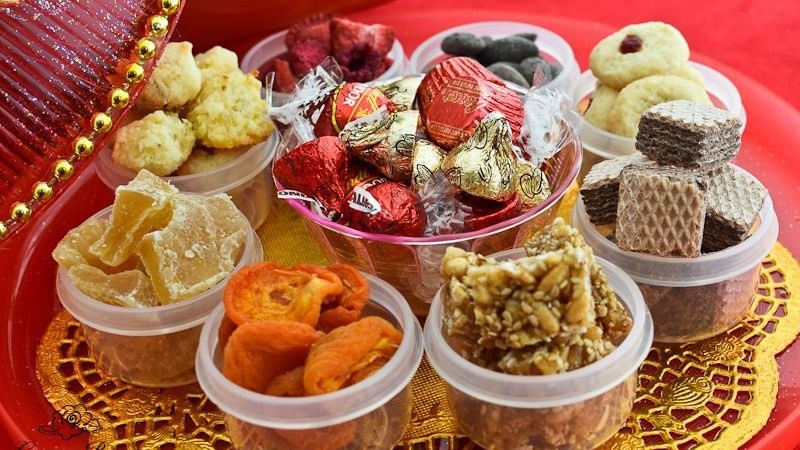
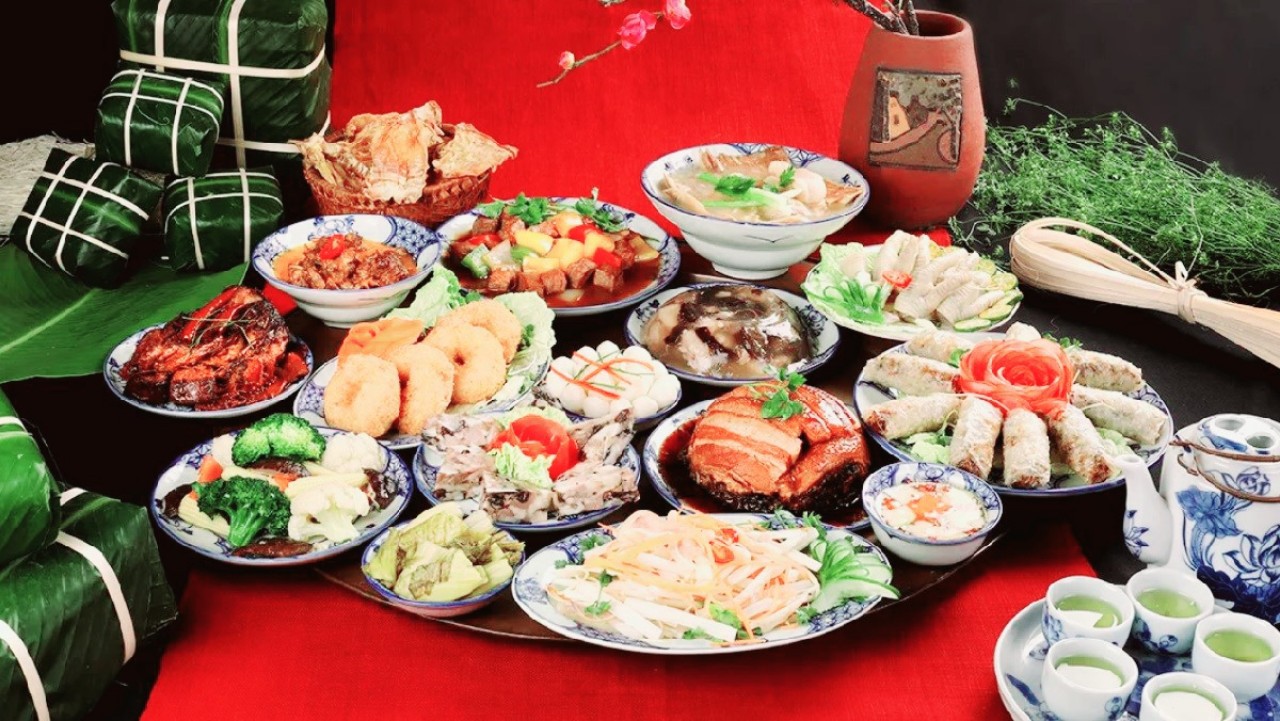 During Tet, people generally have more leisure time, with reduced work and physical labor. Consequently, energy expenditure is lower than on regular days. However, energy intake often increases. Excessive eating combined with a lack of physical exercise leads to surplus energy that is not expended, causing white adipose tissue to proliferate and accumulate. This is why many people feel physically heavier immediately after the Tet holiday.In addition to a diet high in animal protein, the excessive consumption of confectionery, jams, carbonated soft drinks, alcohol, and other sweetened beverages increases the energy density of the diet, which is detrimental to individuals with cardiovascular disease, hypertension, and obesity. Nutritionists advise that to avoid weight gain or digestive health issues during this period, individuals should balance animal and plant-based fat sources. Avoid foods high in fat and cholesterol, such as fatty meats, butter, cheese, animal organs, and fried dishes.
Balancing the Nutritional Regimen
When energy intake is reduced, the body utilizes energy from excess fat stored in subcutaneous tissues and throughout the body's structures, leading to a gradual loss of fat and stable weight reduction. It is advisable to eat in moderation, avoid binge eating during Tet, and increase the intake of green vegetables while reducing meat to prevent constipation and avoid excessive cooking. A healthy diet can help us stay well during the Tet holiday.To ensure nutritional balance, individuals must change their perceptions and attitudes toward eating and food preparation during Tet to protect their health. It is necessary to practice dietary restraint and ensure that food sources are clean and of high quality to avoid common digestive illnesses.Parents with young children should note that it is important to maintain the child's regular daily routine during Tet, avoiding significant deviations from normal schedules. Avoid the "feast or famine" cycle and limit the consumption of sweets, soft drinks, and carbonated beverages. For all individuals, regardless of the occasion, it is essential to remember a dietary regimen that balances proteins, carbohydrates, fats, vitamins, and minerals.Vegetables and fruits should be washed, with bruised or damaged parts removed, dried, and stored in sealed food bags in the refrigerator's vegetable compartment. Specifically, fruits should be peeled only when ready to eat, not in advance. Cooked food should be cooled, placed in lidded containers or wrapped with food film, and stored in the refrigerator. Banh chung and banh tet should be kept in a cool, well-ventilated place, without placing any objects on top of them. It is best to hang them.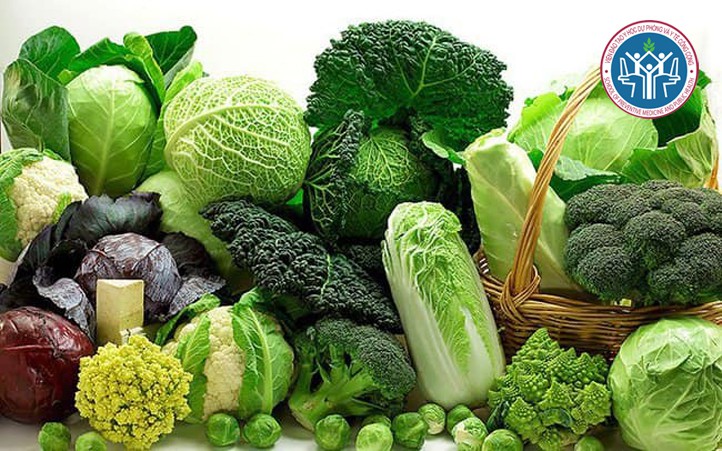 When cooking, do not reuse old oil. Repeatedly heating oil increases the formation of trans fats, which negatively affects cardiovascular health and causes high blood lipid levels. To avoid leftovers that require repeated reheating, cook only enough for each meal. Food stored in the refrigerator and repeatedly reheated undergoes a transformation from standard fats to trans fats, which are less palatable and lose nutritional value; consuming them frequently can lead to high blood lipid levels.