

 Dietary fiber plays a crucial role in regulating the gut microbiota: certain intestinal bacteria possess the ability to break down and assimilate fiber. Fiber facilitates the growth of beneficial bacteria. By regulating the gut microbiota, fiber also plays a role in enhancing intestinal digestion and absorption.

Dietary fiber is a component of plant-based foods that the body cannot digest. Fiber consists of carbohydrate molecules (monosaccharides or polysaccharides) and is classified into two types:
- Soluble fiber is fiber that can dissolve in fluids within the intestinal tract to form a gel. It is found in leafy vegetables, fruits with high viscosity (e.g., jute leaves, Malabar spinach), and certain legumes (e.g., soybeans, lima beans).
- Insoluble fiber: In contrast to soluble fiber, insoluble fiber does not dissolve in fluids upon entering the intestinal tract. It can be metabolically inert and provide bulk or act as a prebiotic, undergoing fermentation in the large intestine. Bulking fibers absorb water as they move through the digestive system, facilitating bowel movements. Insoluble fiber tends to accelerate the transit of food through the digestive system. Food sources containing insoluble fiber include the skins/hulls of various foods (wheat, brown rice, whole-grain barley, and certain vegetables, tubers, and fruits).

 Consuming sufficient fiber not only promotes regular bowel movements but also aids in weight management, lowers cholesterol levels, and reduces the risk of type 2 diabetes. It is recommended that adults consume approximately 20-25g of fiber per day from food sources (not dietary supplements), yet most individuals only manage to consume about 15g.Lowering cholesterol and reducing the risk of cardiovascular disease
Supplementing the diet with fiber from cereals can help improve cholesterol levels and reduce the risk of cardiovascular disease, stroke, obesity, and type 2 diabetes. Soluble fiber helps lower LDL cholesterol while also reducing inflammation and blood pressure. When soluble fiber enters the small intestine, it binds to cholesterol molecules, preventing their absorption into the body. Good sources of soluble fiber include legumes, flaxseeds, and oats.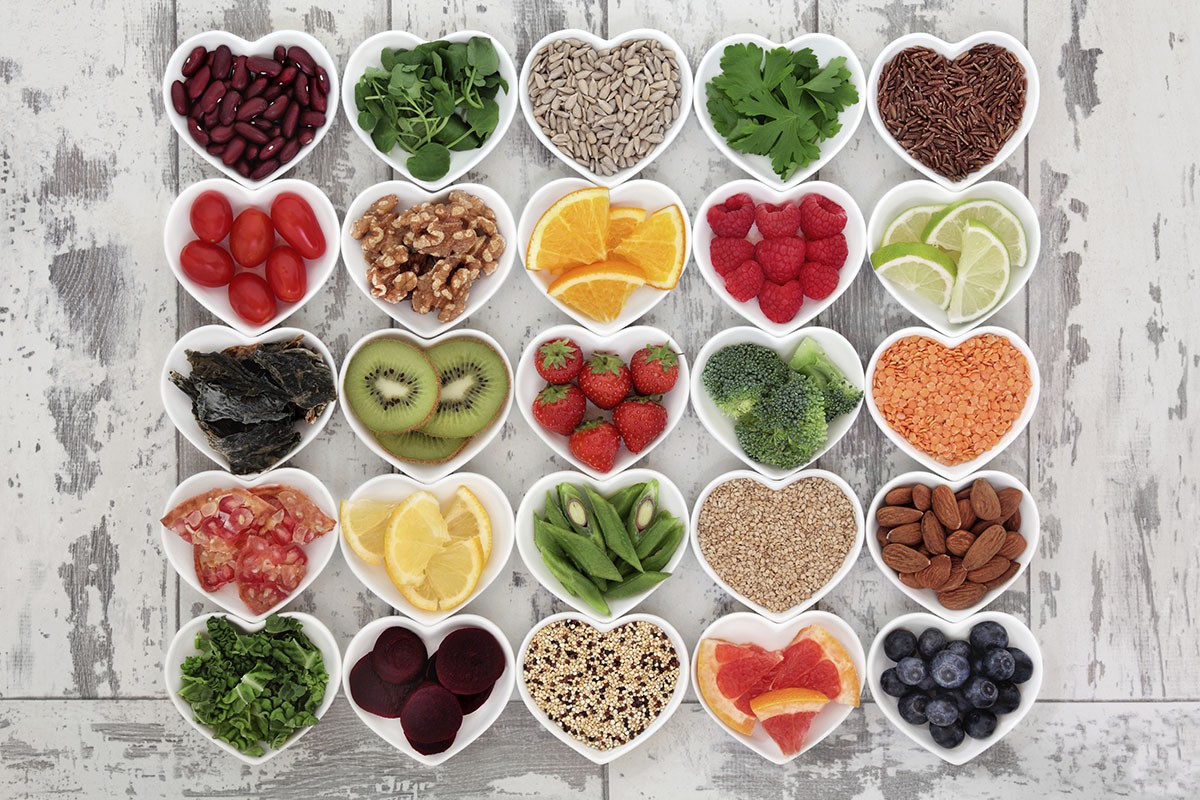
Reducing the risk of type 2 diabetes
A high-fiber diet helps reduce the risk of type 2 diabetes. When fiber is added to the diet, the body digests carbohydrates more slowly, resulting in a more gradual increase in blood glucose levels. Instead of consuming simple carbohydrates such as refined cereals or pasta—where sugars are absorbed very rapidly—opt for whole grains like oats or various legumes.
Weight loss and maintaining a healthy weight
Maintaining a healthy weight can help reduce the risk of cardiovascular disease, stroke, type 2 diabetes, and many other conditions, including cancer. Although losing weight and maintaining a healthy weight is challenging, increasing dietary fiber can be beneficial. This is because fiber is typically low in energy density and promotes a longer feeling of satiety. Consequently, it slows down the digestion of food and supports weight loss over time.
Maintaining a healthy digestive system
Regular bowel movements are key to a healthy digestive system, and the best way to ensure daily regularity is to consume plenty of fiber. Fiber helps food move through the digestive tract more easily, increases stool bulk, and helps prevent constipation. A high-fiber diet also helps prevent diverticulitis. The longer waste remains in the digestive system, the more the body is exposed to toxins, which increases the risk of various diseases. Waste retained in the digestive system can also stimulate the growth of harmful bacteria, leading to digestive issues.
Consume everything in moderation
When increasing fiber intake, it is best to do so gradually. If you consume too much fiber too quickly, you may experience diarrhea instead of relief from constipation. Excessive fiber can cause various digestive problems, such as bloating, flatulence, constipation, abdominal pain, and diarrhea. If you currently consume one serving of fruit per day, increase it to two, and gradually increase your intake of whole grains. If you suffer from digestive conditions such as peptic ulcer disease, colitis, or Crohn's disease, you may require a lower-fiber diet.
Increase water intake
Increasing fiber intake means you must also increase your daily water intake to facilitate better digestion. It is recommended to drink 2-3 liters of water per day, depending on age, weight, and physical activity levels.
 School of Preventive Medicine and Public Health (SPMPH)
 Website:/
