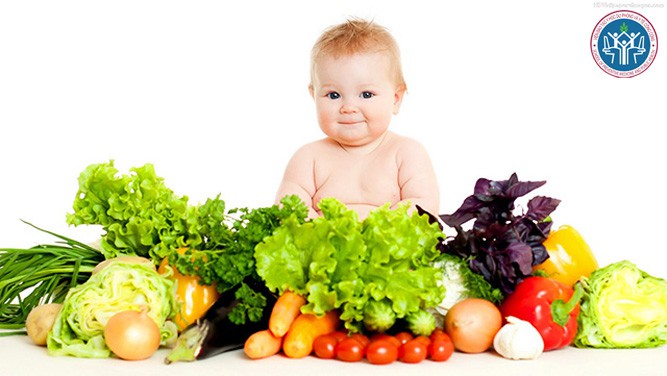
Diarrhea is a common condition in children, particularly in developing countries, including Vietnam. According to World Health Organization (WHO) statistics, approximately 1.5 billion children under 5 years of age suffer from diarrhea annually worldwide, resulting in about 4 million deaths, 80% of which occur in children under 2 years of age.

Diarrhea is a common condition in children, particularly in developing countries, including Vietnam. According to World Health Organization (WHO) statistics, approximately 1.5 billion children under 5 years of age suffer from diarrhea annually worldwide, resulting in about 4 million deaths, 80% of which occur in children under 2 years of age.

Diarrhea is defined as the passage of loose or watery stools three or more times within a 24-hour period. Diarrhea leads to dehydration, electrolyte loss, and malnutrition, and can be fatal.
When a child has diarrhea, the following measures are necessary:

Increase fluid intake:
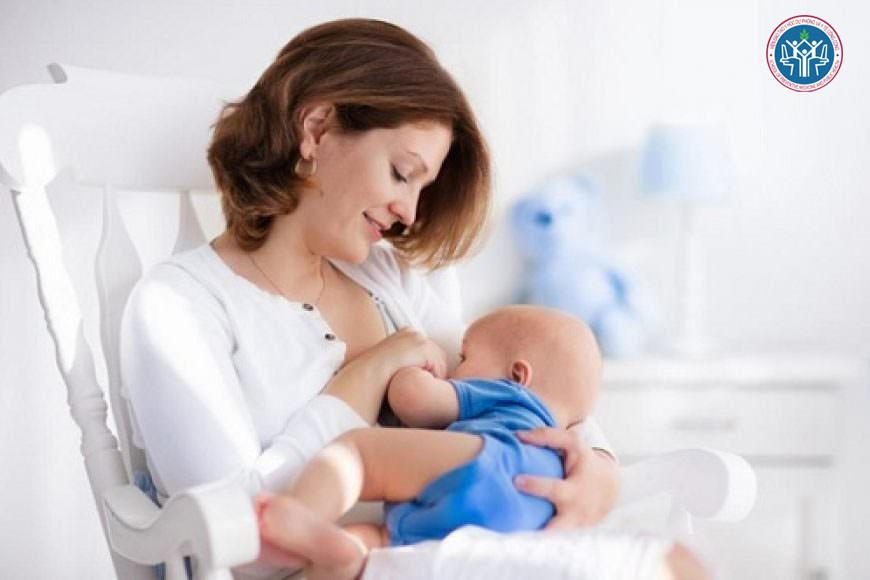
- Increase the frequency and duration of breastfeeding. If the child cannot breastfeed, express breast milk and feed the child using a spoon or cup.
- Administer oral rehydration salts (ORS) after each loose stool to prevent dehydration and electrolyte imbalance. If the child is exclusively breastfed, administer ORS after breastfeeding. Ensure the ORS solution is prepared strictly according to the instructions.
- Avoid sugary beverages such as carbonated soft drinks, canned fruit juices, etc.
Maintain and gradually increase the child's daily dietary intake:
- Provide frequent, small meals and do not restrict the child's food intake.
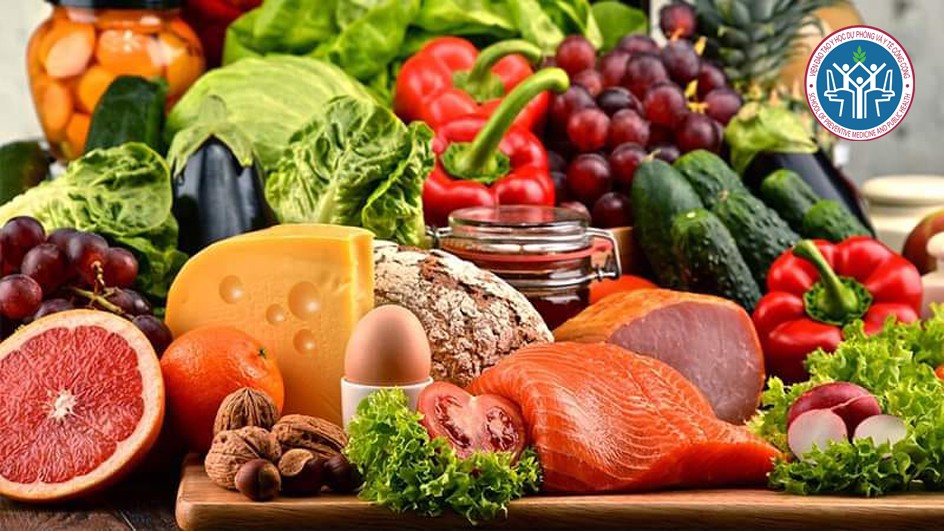
- Do not impose unnecessary dietary restrictions. Provide nutrient-rich foods (meat, fish, eggs, vegetable oils, or animal fats). Increase intake of foods rich in Vitamin A (dark green leafy vegetables, yellow-colored fruits, egg yolks, etc.).
- Mash food thoroughly and ensure it is well-cooked, soft, and of a thinner consistency.
- Provide additional fresh fruit.
- Avoid foods high in fiber and difficult to digest: pumpkin leaves, bamboo shoots, corn, beans, etc.
- Continue to provide one extra meal per day for at least 2 weeks after the diarrhea has ceased. If the child is malnourished, maintain the additional meal until the child reaches a healthy weight.
- Ensure food safety and hygiene during preparation and feeding.
Families should maintain an appropriate nutritional care regimen for the child and visit a medical facility for examination, treatment, and dietary counseling.

NUTRITION CLINIC AND CONSULTATION, HANOI MEDICAL UNIVERSITY, 35 LE VAN THIEM FACILITY

Working hours: Monday to Saturday: Morning 08:00-11:30, Afternoon 13:30-16:30 (Excluding public holidays and Tet)

Hotline: 086.896.2679