
Below are some nutritional recommendations for recovery after COVID-19.
 Monitor body weight
Balanced diet: ensure sufficient energy, high protein content, and essential micronutrients in the daily intake.
✨ Consume 3 main meals and 2-3 snacks daily.
✨ Maintain a diverse diet, combining and frequently rotating food types throughout the day.
✨ Consume adequate amounts of grains: rice, vermicelli, pho, tubers, etc.
✨ Daily intake should balance animal and plant-based protein sources. Opt for high biological value proteins that provide essential amino acids: meat, fish, eggs, milk, legumes, etc. Consume at least 3 servings of fish per week, 3 eggs per week, and drink 1-2 glasses of milk per day.
✨ Incorporate both vegetable oils and animal fats; for adults, the ratio of animal fat to total fat should not exceed 60%. Prioritize fats derived from fish and vegetable oils, while limiting fats from beef, pork, etc.
✨ Increase intake of foods rich in Vitamin C, Vitamin D, zinc, calcium, omega-3 fatty acids, probiotics, and dietary fiber.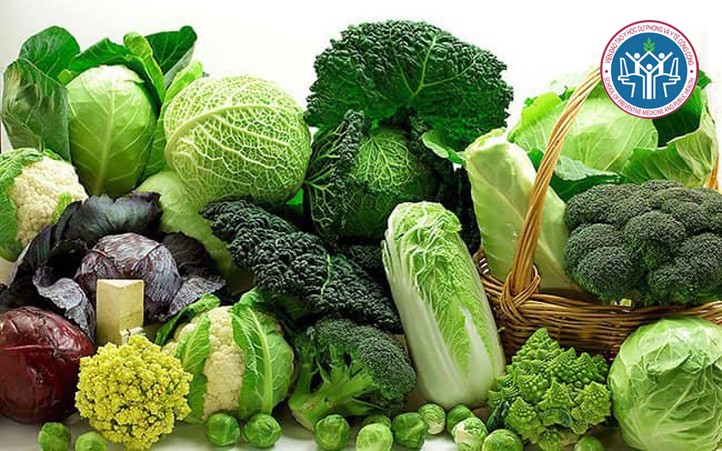
- Vitamin C: supports a healthy immune system. Found in many fruits and vegetables: guava, grapefruit, melons, dark leafy greens, etc.
- Vitamin D: enhances bone health, muscle function, and immune system performance. Engage in outdoor activities at least 3 times a week for 30 minutes each time to synthesize Vitamin D. However, for the elderly, the conversion efficiency of sunlight into Vitamin D is lower, so supplementation may be considered. Additionally, Vitamin D is found in fatty fish, milk, and eggs.
- Zinc: a mineral essential for a healthy immune system. Zinc also stimulates appetite and helps prevent diarrhea. It is abundant in seafood, meat, etc.
- Calcium: a vital nutrient for bone health. Muscle loss following intensive COVID-19 treatment can lead to reduced bone density. Calcium-rich foods are essential to help maintain bone mass. Sources include: seafood, snails, cheese, milk and dairy products, and egg yolks.
- Omega-3 fatty acids: help reduce inflammation. During recovery, the body may experience inflammatory responses to combat the effects of COVID-19. Omega-3 is found primarily in fatty fish: salmon, tuna, sardines, herring, sea bass, and mackerel. Chia seeds and red beans also provide healthy omega-3s. Seafood should be consumed twice a week to meet recommended omega-3 requirements.
- Gut health, probiotics, and fiber: the gut is the frontline defense against infectious agents. Especially for the elderly, maintaining a healthy gut is challenging; therefore, daily probiotics should be supplemented via yogurt or live cultures. Fiber helps maintain beneficial gut bacteria and prevents constipation. Consume 300-400g of vegetables and fruits daily.
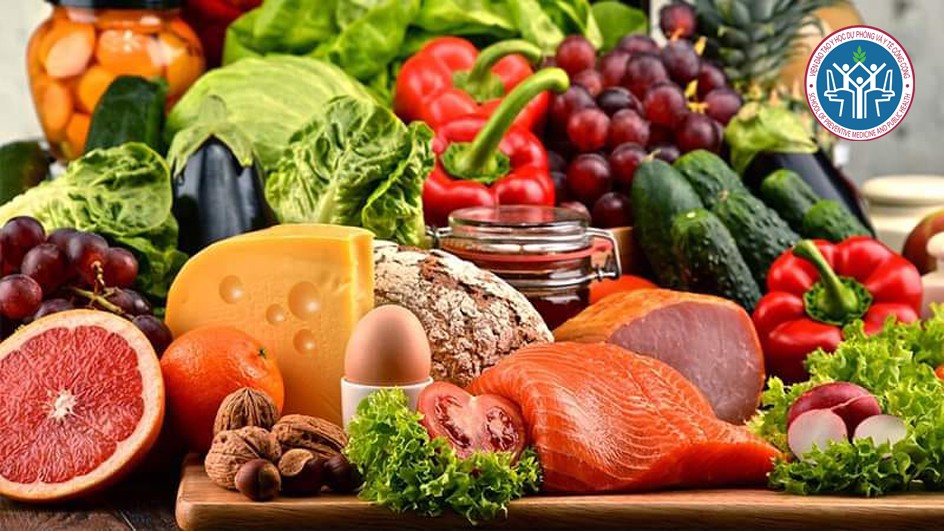
✨ Increase intake of milk and dairy products: yogurt, cheese, etc., as milk contains all necessary nutrients in a balanced ratio, making it easy to digest and absorb.
✨ Maintain adequate hydration: 2-2.5 liters per day.
✨ Avoid foods high in cholesterol: animal organs, brains, etc.
✨ Prepare food in soft, finely chopped, and well-stewed forms to facilitate digestion and absorption.
✨ Opt for boiled, steamed, or poached dishes instead of fried, deep-fried, or grilled options.
✨ For individuals unable to meet recommended nutritional requirements, multivitamin-mineral supplements may be considered. Consult a physician before deciding to use any product.
SPECIALIZED NUTRITIONAL CARE AT THE HANOI MEDICAL UNIVERSITY NUTRITION CLINIC AND CONSULTATION CENTER
 Address: Facility 1: No. 1 Ton That Tung, Dong Da District, Hanoi.
 Hotline: 086.896.2679
 Fanpage: https://www.facebook.com/khamtuvandinhduong