
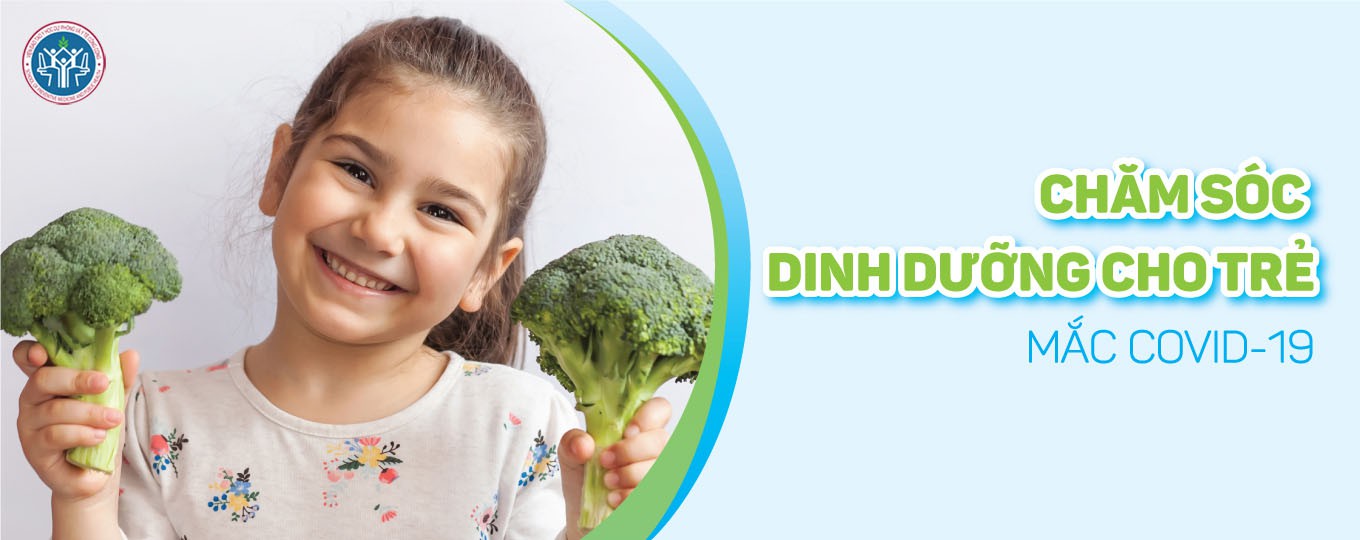
Nutrition is crucial in the treatment and recovery of children following a COVID-19 infection.
When infected with COVID-19, children may experience fever, cough, nasal congestion, etc., leading to poor appetite and vomiting. Therefore, an appropriate nutritional regimen is necessary to prevent nutritional deficiencies and subsequent malnutrition. Providing adequate nutrition is essential to maintain the child's growth and development, strengthen immunity, and limit complications.
If a child is infected with COVID-19, nutrition plays a vital role during the treatment process. Children who are already malnourished and contract COVID-19 require a specific malnutrition treatment regimen.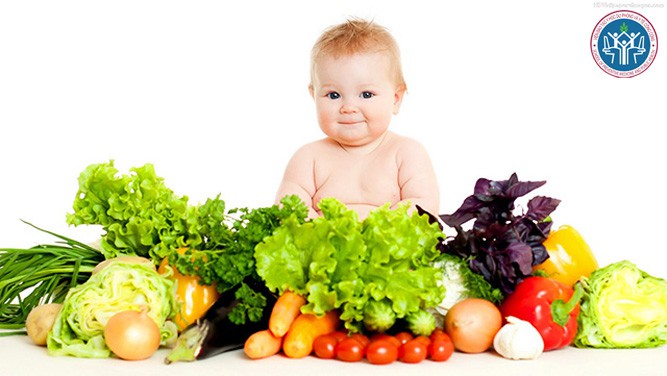
Nutritional Principles for Children:
- Periodically monitor the child's nutritional status by tracking weight and food intake.
- Ensure the provision of adequate nutrition appropriate to the child's age and clinical condition.
- Maintain a balanced daily diet consisting of four key components: lipids (animal and plant-based), vitamins and minerals, energy-yielding nutrients (protein, lipids, carbohydrates), and proteins (animal and plant-based). At least one meal per day must have a balanced composition.
- Consume at least 5 out of 8 food groups daily (starch group, milk and dairy products, fats and oils, vegetables, meat and fish, eggs, legumes/nuts, and dark green/yellow vegetables).
- Limit the intake of excessive sweets.
- Limit the intake of excessive salt.
- Provide sufficient fluids, especially fresh fruit juice; avoid industrial soft drinks.
- Encourage children aged 1-2 years to consume at least 600ml of formula milk per day (if breast milk is unavailable), and children over 2 years to consume 500ml of age-appropriate formula milk per day to meet nutritional requirements for growth and balance (no additional multivitamin supplementation is needed). In cases where the child has a poor appetite and does not meet the recommended intake, use high-energy oral nutritional supplements (1Kcal/ml) to replace all or part of the standard formula milk.
- Avoid foods that trigger vomiting or nausea; prioritize easily digestible foods with high nutritional value.
- Daily multivitamin supplementation is recommended for children who are malnourished or not meeting recommended intake levels.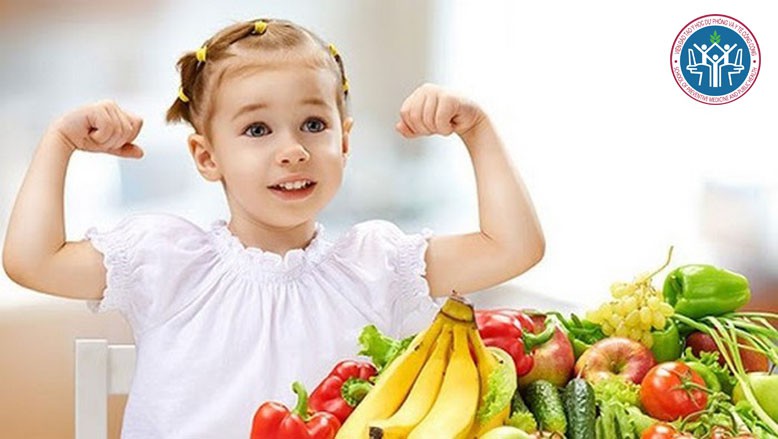
??SPECIALIZED NUTRITIONAL CARE AT THE HANOI MEDICAL UNIVERSITY NUTRITION CLINIC AND CONSULTATION CENTER??
 Address: Facility 1: No. 1 Ton That Tung, Dong Da District, Hanoi.
 Hotline: 086.896.2679
 Fanpage: https://www.facebook.com/khamtuvandinhduong