
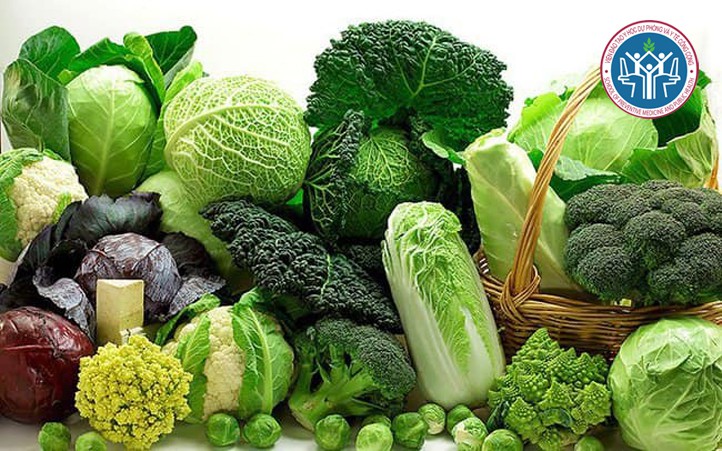

 Leafy Green Vegetables
These are natural sources of potassium and magnesium, which are essential for blood pressure control. Leafy greens are low in calories and high in fibre, promoting a longer-lasting feeling of satiety. Consuming plenty of leafy greens helps maintain a healthy weight and reduces the risk of cardiovascular disease.

 Fruits
Berries are rich in natural anthocyanin antioxidants, which protect the body against cardiovascular disease, combat inflammation, strengthen the immune system, and possess anti-cancer properties. Examples of berries include cranberries, blueberries, raspberries, cherries, and strawberries.
Citrus fruits and apples are rich in soluble fibre. Soluble fibre helps lower LDL cholesterol levels while simultaneously reducing inflammation and blood pressure.
Avocados are an excellent source of monounsaturated fats that are beneficial for cardiovascular health, helping to lower cholesterol and reduce the risk of heart disease and metabolic syndrome.
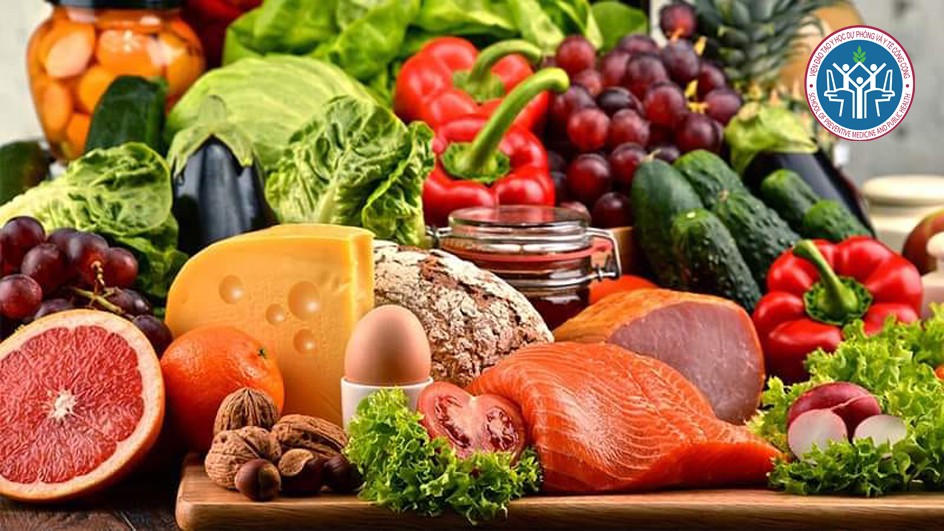
 Nuts and Seeds
Almonds, walnuts, chia seeds, flaxseeds, etc., are highly nutritious, containing various vitamins, minerals, fibre, and omega-3 fatty acids. Consequently, nuts and seeds help reduce the risk of cardiovascular disease by combating inflammation, lowering LDL cholesterol and blood lipids, maintaining HDL cholesterol levels, and controlling blood pressure.
 Fatty Fish
Fatty fish such as salmon, mackerel, sardines, and tuna are rich in omega-3 fatty acids, which have been extensively studied for their cardiovascular health benefits.
Numerous studies indicate that long-term fish consumption is associated with lower total cholesterol levels, reduced blood triglycerides, lower fasting blood glucose, and improved blood pressure. It is recommended to consume fish at least three times per week.
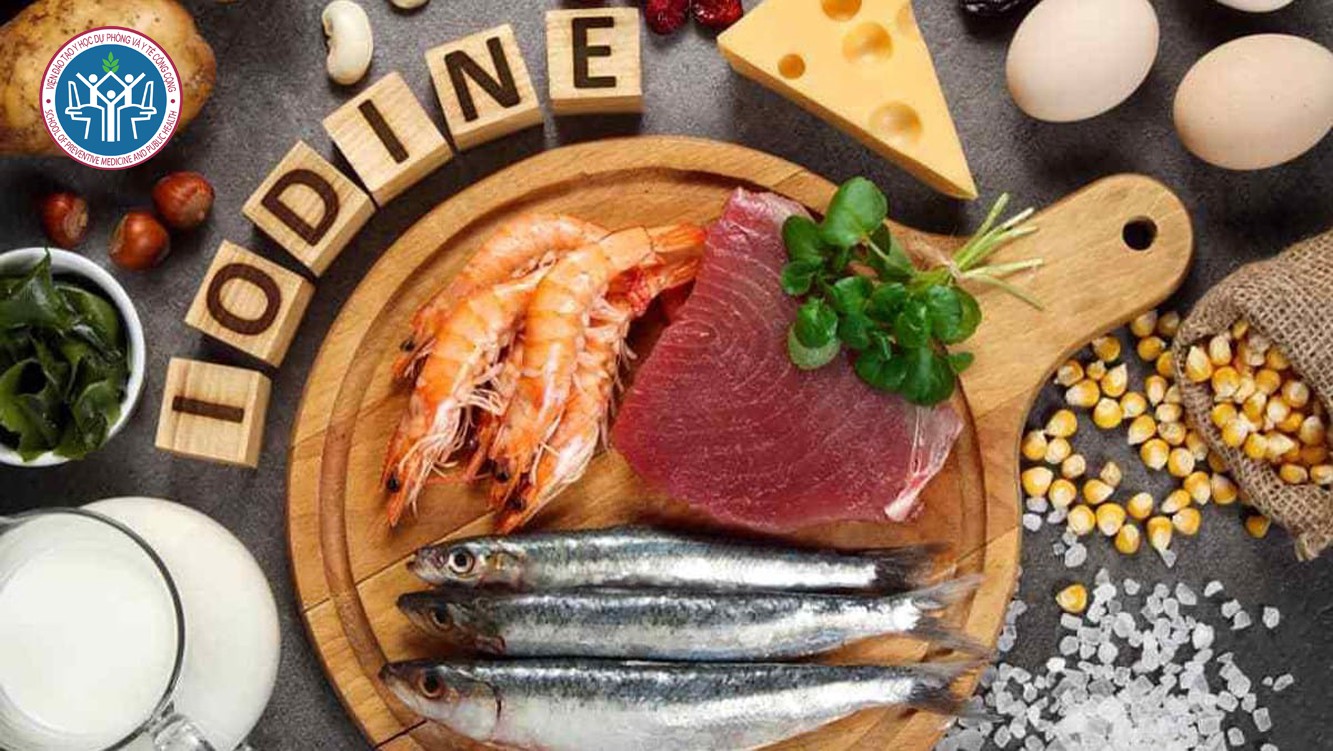
 Whole Grains
Common whole grains include whole wheat, brown rice, oats, rye, barley, buckwheat, and quinoa.
Whole grains enhance the intake of fibre, B vitamins, iron, selenium, potassium, and magnesium, which help control blood sugar levels, improve digestive health, and support weight management and cardiovascular health.
 Legumes
 such as mung beans, red beans, pinto beans, black beans, and soybeans are rich in resistant starch, which resists digestion and is fermented by beneficial gut bacteria. Resistant starch can improve cardiovascular health by reducing blood triglyceride and cholesterol levels, lowering blood pressure, and reducing inflammation. Furthermore, legumes are also an abundant source of protein and fibre.
 Olive Oil
Olive oil contains numerous antioxidants that can reduce inflammation and lower the risk of chronic diseases. Olive oil is also rich in monounsaturated fatty acids; many studies have shown that it improves cardiovascular health and lowers blood pressure. Consumption of olive oil, especially extra virgin olive oil, is associated with a reduced risk of cardiovascular disease and mortality in individuals at high cardiovascular risk.
 Low-Fat Dairy
Milk and dairy products are abundant sources of calcium. To limit saturated fat intake, one should choose low-fat or skimmed milk. In addition to promoting bone health, calcium plays a role in regulating sodium and potassium activity across cell membranes, facilitating the relaxation of vascular smooth muscle and arterial pressure.
---------------------------------------------------------------
 SPECIALISED NUTRITIONAL CARE AT THE NUTRITION CLINIC AND CONSULTATION CENTRE, HANOI MEDICAL UNIVERSITY
The team of physicians at the Nutrition Clinic and Consultation Centre, Hanoi Medical University, consists of lecturers from Hanoi Medical University who possess high professional qualifications and many years of experience in the field of Nutrition:
- Prof. PhD. Le Thi Huong – Dean of the School of Preventive Medicine and Public Health, Head of the Department of Nutrition and Food Safety, Head of the Department of Clinical Nutrition, Hanoi Medical University Hospital.
- Assoc. Prof. PhD. MD. Trinh Bao Ngoc - Senior Lecturer, Department of Nutrition and Food Safety, Hanoi Medical University.
- PhD. MD. Nguyen Thi Huong Lan - Head of the Department of Nutrition, Saint Paul General Hospital, Lecturer, Department of Nutrition and Food Safety, Hanoi Medical University.
- MSc. MD. Phan Thi Bich Hanh - Lecturer, Department of Nutrition and Food Safety, Hanoi Medical University.
- MSc. MD. Dang Kim Anh - Lecturer, Department of Nutrition and Food Safety.