

Preventive Nutrition Counseling

Dietary Management for Patients with Diabetes Mellitus
Diabetes mellitus is a metabolic disorder characterised by chronic hyperglycaemia, leading to damage across multiple organ systems, particularly the cardiovascular system, kidneys, eyes, and nervous system.
Read more →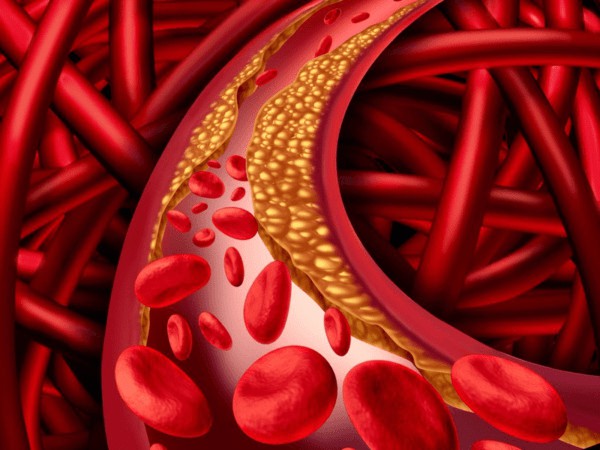
Diet for people with blood lipid disorders
Dyslipidemia is one of the important risk factors for cardiovascular diseases. However, unlike age and gender, this is a completely modifiable risk factor. Adjusting blood fat levels is a way to prevent disease, ensure quality of life and prolong longevity.
Read more →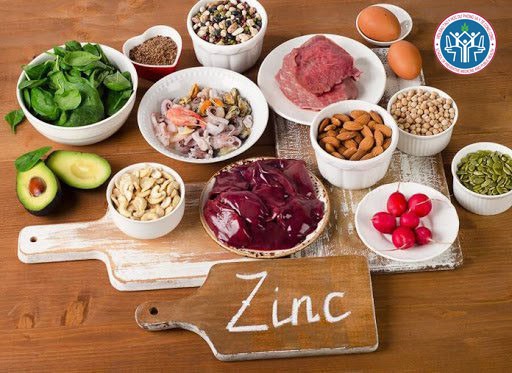
Nutrition for Children with Diarrhea
Diarrhea is a common condition in children, particularly in developing countries, including Vietnam. According to World Health Organization (WHO) statistics, approximately 1.5 billion children under 5 years of age suffer from diarrhea annually worldwide, resulting in about 4 million deaths, 80% of which occur in children under 2 years of age.
Read more →
The Role of Dietary Fiber in the Human Body
Dietary fiber plays a crucial role in regulating the gut microbiota: certain intestinal bacteria possess the ability to break down and assimilate fiber. Fiber facilitates the growth of beneficial bacteria. By regulating the gut microbiota, fiber also plays a role in enhancing intestinal digestion and absorption.
Read more →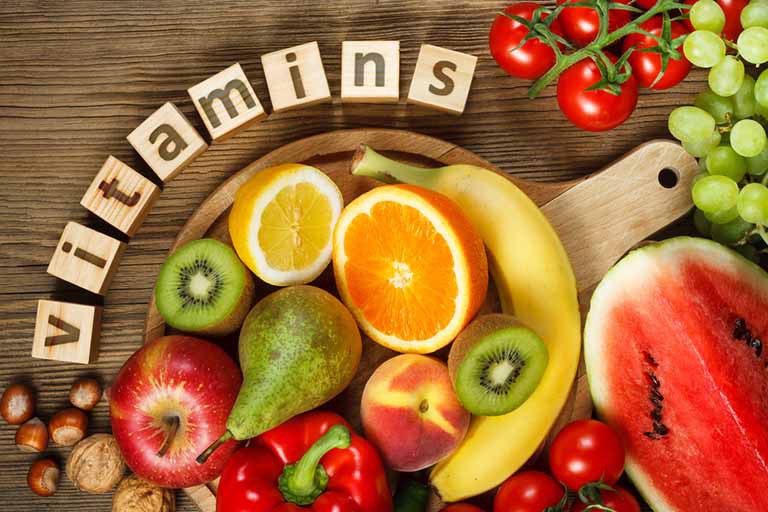
Signs That Your Body May Be Deficient in Vitamins
When the body is not provided with sufficient nutrients, it can lead to vitamin deficiency. Some warning signs that help us identify the need for timely supplementation include bad breath, mouth ulcers, and dry skin.
Read more →
Nutritional Advice for Recovery Following COVID-19 Treatment
Patients often experience nutritional deficiencies and malnutrition following a COVID-19 infection. Nutrition is critical for post-COVID-19 recovery. A balanced diet helps improve nutritional status and facilitates rapid health restoration.
Read more →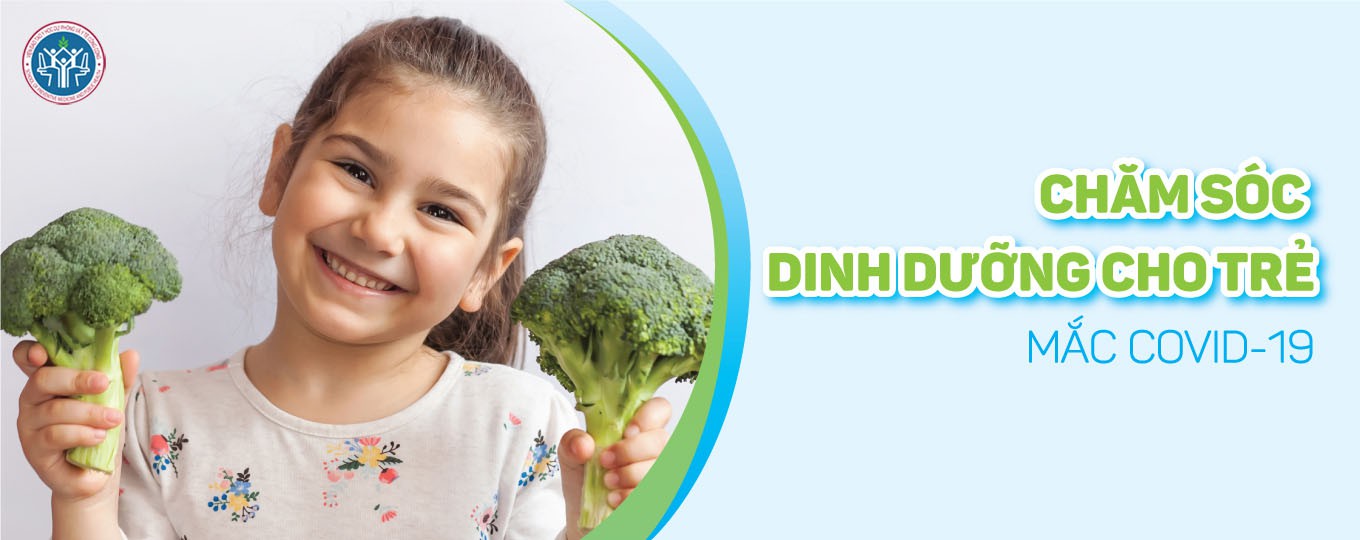
Nutrition in the Treatment of COVID-19 in Children
When infected with COVID-19, children may experience fever, cough, nasal congestion, etc., leading to poor appetite and vomiting. Therefore, an appropriate nutritional regimen is necessary to prevent nutritional deficiencies and subsequent malnutrition. Providing adequate nutrition is essential to maintain the child's growth and development, strengthen immunity, and limit complications.
Read more →
Maintaining a Healthy Diet During the Tet Holiday
During the Tet holiday, overeating combined with improper food storage can easily lead to food poisoning. To ensure health, particularly in preventing digestive disorders and weight gain during the holiday, individuals should prioritize a healthy dietary regimen.
Read more →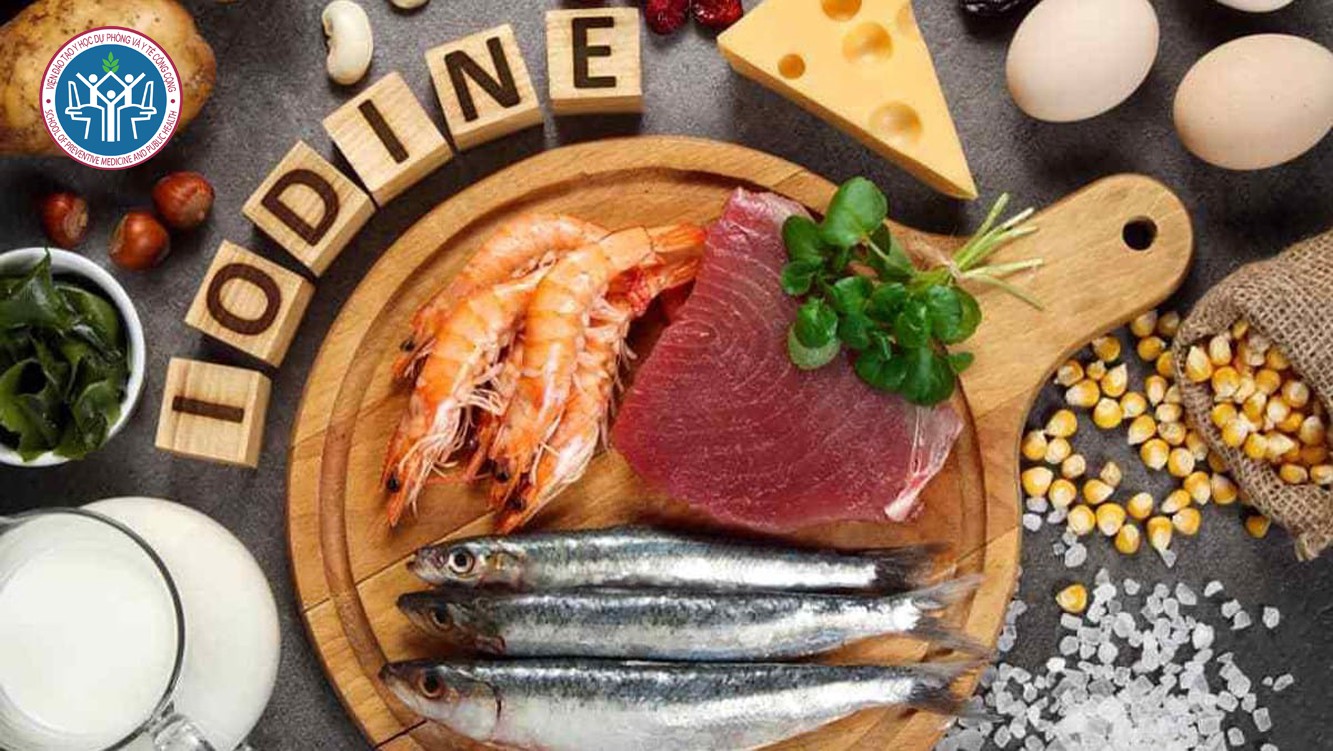
The Role of Zinc in Child Development
Zinc is an essential trace mineral for child development. By facilitating protein synthesis through enzymatic mechanisms, zinc supplementation promotes the development of bones, muscles, and the brain in children. Read the article below to understand the role of zinc and how to supplement it correctly for children.
Read more →
Nutritional Regimen for Children by Age Group
Child nutrition is based on the same principles as adult nutrition. Everyone requires the same types of nutrients, such as vitamins, minerals, carbohydrates, proteins, and fats. However, at each stage of a child's development, the body requires different compositions and quantities of these nutrients.
Read more →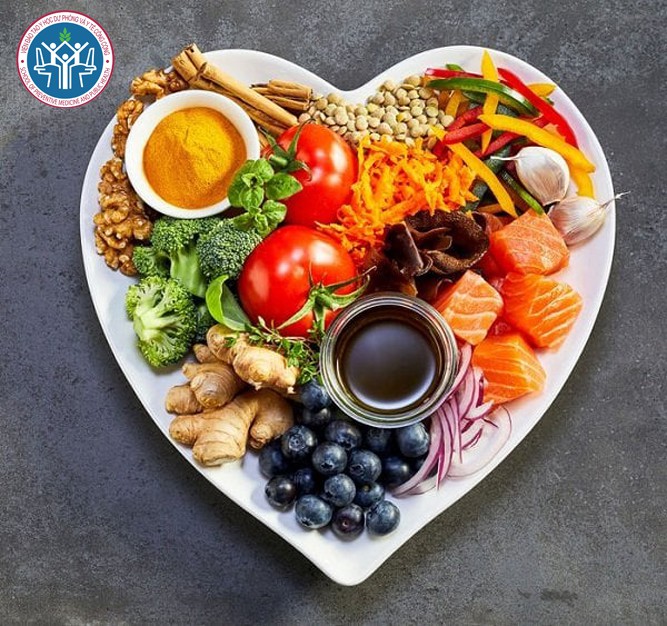
Cardiovascular-Friendly Foods
In today's modern and fast-paced society, we often opt for fast food to save time. However, it is important to be aware that fast food is typically high in fats, which are extremely detrimental to cardiovascular health. Regardless of how busy you may be, you should strive to incorporate more heart-healthy foods into your diet.
Read more →
Essential Information Regarding Malabsorption Syndrome in Children
Malabsorption is a condition in which a child is unable to absorb nutrients, vitamins, and minerals from food, leading to nutritional deficiencies, developmental delays, and the onset of various serious medical conditions. Malabsorption syndrome can occur at any age, in both children and adults, but is most common in children under 5 years of age, particularly during the weaning period.
Read more →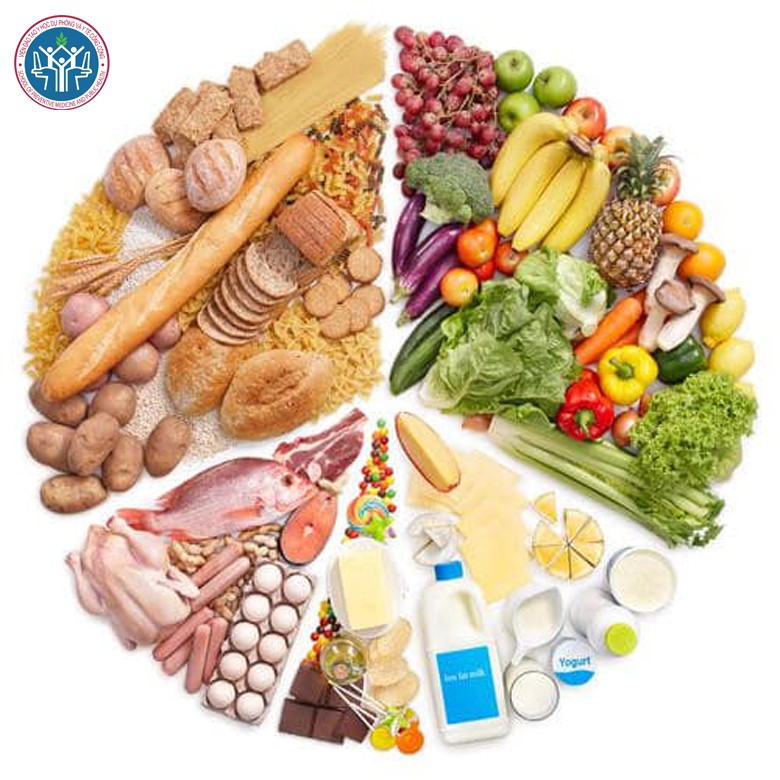
Nutritional Regimen for Osteoporosis Prevention
Osteoporosis is a metabolic bone disorder characterized by a reduction in bone mass and quality, which increases the risk of fractures. A healthy diet and appropriate physical activity are essential factors in preventing osteoporosis.
Read more →
Nutrition in Diabetes Mellitus - Nutrition Consultation Clinic - School of Preventive Medicine and Public Health, Hanoi Medical University
Nutrition in Diabetes Mellitus
Read more →
Introduction to the Nutrition Clinic and Counselling Centre
Introduction to the Nutrition Clinic and Counselling Centre
Read more →