
Osteoporosis is a metabolic bone disorder characterized by a reduction in bone mass and quality, which increases the risk of fractures. A healthy diet and appropriate physical activity are essential factors in preventing osteoporosis.
Calcium
Calcium is an essential nutrient that helps the body form and maintain a strong skeletal system. Calcium influences bone health at all ages; adequate calcium intake is crucial for achieving optimal peak bone mass and regulating the rate of bone loss from middle age onwards. Calcium is provided daily through the diet. Calcium-rich foods include milk and dairy products (cheese, yogurt, etc.), small shrimp, small crabs, various types of fish, eggs, soy products, and dark green leafy vegetables. Recommended calcium intake depends on age, gender, and physiological status.
- Adolescents aged 10 to 19: 1000 mg/day
- Adults aged 20 to 69: 800 mg/day
- Pre-menopausal and menopausal women aged 50 to 69: 900 mg/day
- Individuals ≥ 70 years old: 1000 mg of calcium/day
- Pregnant women: 1200 mg/day
- Breastfeeding women: 1300 mg/day
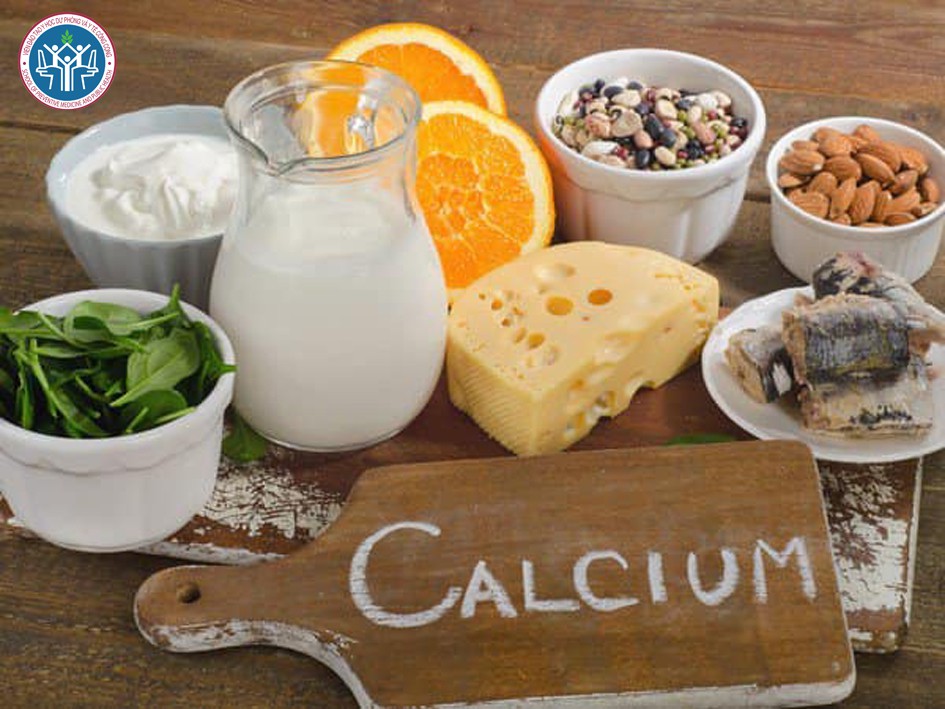
Besides calcium, several other nutrients are closely related to bone health, including vitamin D, protein, phosphorus, magnesium, vitamin K, vitamin C, fluoride, and zinc.
Vitamin D
Vitamin D facilitates the absorption of calcium and phosphorus in the intestine, stimulates the transport and deposition of calcium in the bones, and increases DNA activity in osteoblasts, thereby enhancing bone matrix formation. Vitamin D contributes to maintaining normal blood calcium levels. Vitamin D deficiency leads to reduced calcium absorption and increased blood parathyroid hormone levels, which accelerates bone loss and increases the risk of osteoporosis. Furthermore, vitamin D participates in regulating the function of certain genes and helps strengthen the immune system. Approximately 80% of the body's vitamin D requirement is provided by sun exposure, and 20% from food. Foods rich in vitamin D include salmon, herring, sardines, egg yolks, and vitamin D-fortified foods such as milk, baked goods, and cereals.
Protein
Protein is essential for bone health, accounting for approximately one-third of bone mass. About 90% of this protein is collagen, which cross-links to form a structural framework that increases bone elasticity and load-bearing capacity. Dietary protein also influences the secretion and activity of insulin-like growth factor I (IGF-I), a hormone critical for bone formation and development. Therefore, it is necessary to provide an adequate amount of protein in the diet to maintain strong bones. Increase the intake of protein-rich foods: meat, fish, eggs, milk, etc.
Magnesium and Phosphorus
Magnesium plays a vital role in calcium metabolism and the formation of a strong skeletal system. Magnesium is abundant in seafood, green vegetables, nuts, legumes, and various types of meat.
Phosphorus is the second most abundant mineral in the body and is required for building and maintaining strong bones, generating energy, and enhancing muscle strength. Phosphorus is present in almost all types of food. The amount of phosphorus in the diet is closely related to calcium absorption and metabolism. The optimal calcium-to-phosphorus ratio should be >1 for optimal calcium absorption.
Vitamin K2
Vitamin K2 plays a central role in calcium metabolism. Vitamin K2 helps activate calcium-binding proteins, namely osteocalcin and Matrix Gla protein, which assist in bone formation, maintaining bone strength, and preventing osteoporosis. Vitamin K2 is provided through fermented foods, milk, eggs, meat, and is produced by gut microbiota.
☘☘☘ SPECIALIZED NUTRITIONAL CARE AT THE HANOI MEDICAL UNIVERSITY NUTRITION CLINIC AND CONSULTATION CENTER ☘☘☘
The team of doctors at the Hanoi Medical University Nutrition Clinic and Consultation Center are faculty members of Hanoi Medical University, possessing high professional qualifications and many years of experience in the field of Nutrition.
For further information, please contact:
? HANOI MEDICAL UNIVERSITY NUTRITION CLINIC AND CONSULTATION CENTER
Address: Campus 1: No. 1 Ton That Tung, Dong Da District, Hanoi.
Campus 2: No. 35 Le Van Thiem, Thanh Xuan District, Hanoi
Hotline: 086.896.2679/02462597231
Fanpage: https://www.facebook.com/khamtuvandinhduong